Start with the property
Foundation Inspections in North Texas
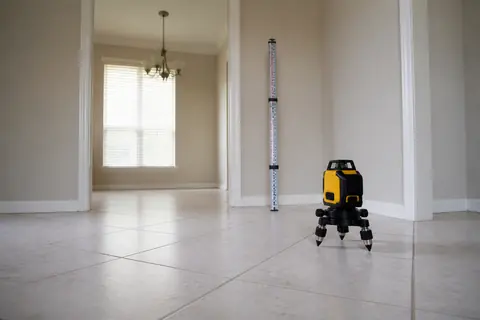
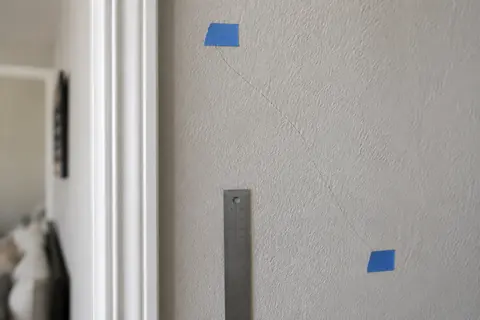
Understand visible changes, gather useful measurements and discuss the next step for your property.
Explore this service
Cracks and changes
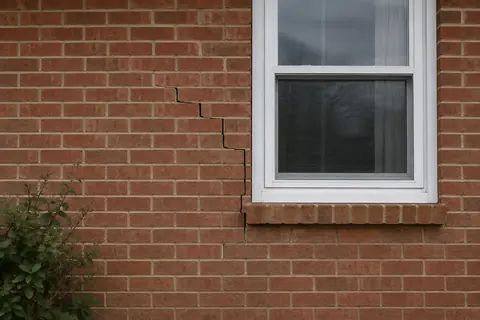
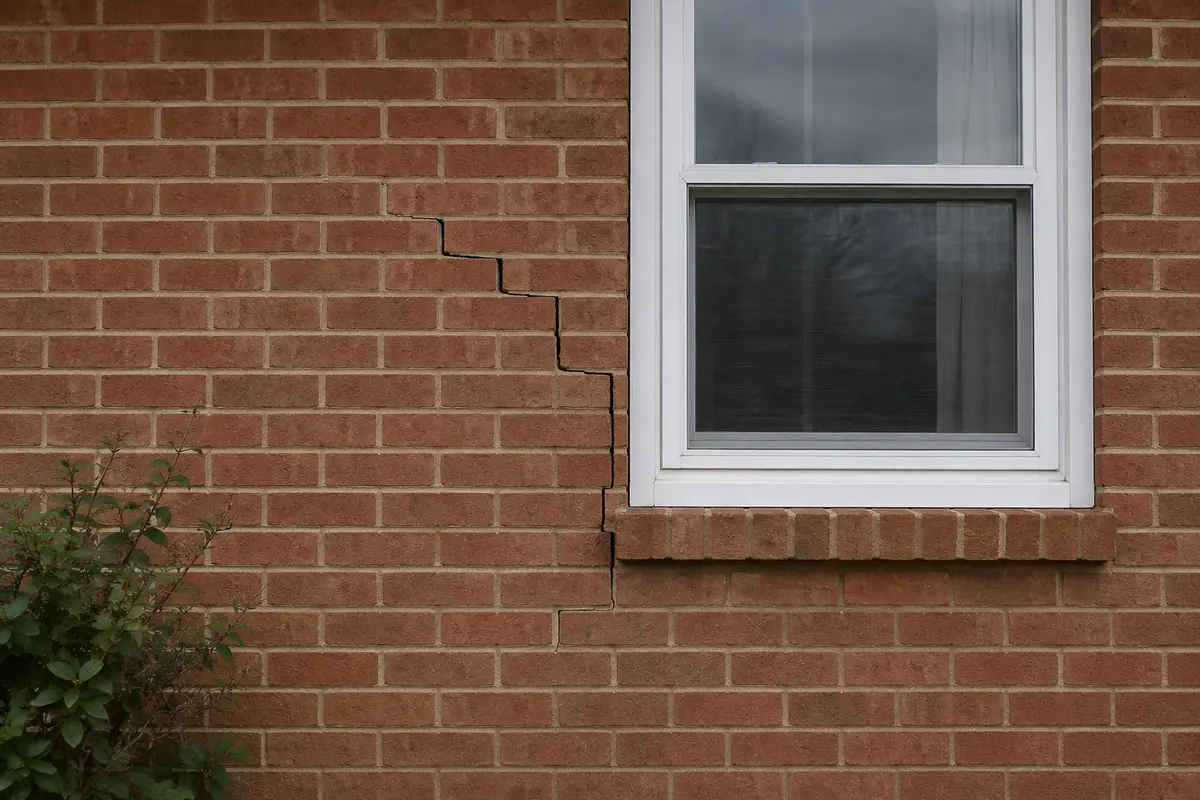
A stair-step crack follows a zigzag path through the mortar joints between bricks. Its shape makes it easy to notice, but the shape alone does not establish the cause or the repair. Before arranging an inspection, collect a few clear observations that help connect the brickwork to conditions elsewhere on the property.
Take one photograph that shows the full wall, including nearby doors, windows, and the ground below. Then take a closer image showing the path through the mortar. The wide view lets the inspector locate the crack; the close view preserves details that may be hard to see in changing light. Use a consistent location name, such as 'rear wall, kitchen window, lower right corner.'
If the crack is too high to photograph from the ground, tell the inspector where it is. Do not climb onto a roof or balance a ladder in a narrow planting bed to obtain a better image. Accessible photographs and an accurate description are enough to start the conversation.
Write down when you first noticed the crack, whether that was after a storm, during dry weather, or while doing yard work. The date you discovered it is not necessarily the date it formed. Older listing photographs, repair invoices, or family pictures sometimes show whether the condition was already present. Preserve the original images rather than adding annotations that hide the opening.
Mention previous mortar repairs, painted brick, replaced windows, and additions. A crack through repaired mortar tells a different story from an untouched joint, but neither can be interpreted accurately without knowing the work history. If the history is unknown, say so plainly.
Pay attention to the limits of the photograph when describing a mortar crack. A dark line in a shaded joint may look wider in one image than another because the angle or lighting changed. If the apparent change is uncertain, say so and let the professional examine it directly. Similarly, a crack continuing behind a shrub has an unknown visible extent until access is available. Show the accessible portion and identify the obstruction, rather than trimming valuable landscaping or reaching into a narrow space solely to complete the picture.
From inside the corresponding room, look for changes you can safely observe: a door that no longer latches, a wall crack near the same opening, or a new gap at trim. Record these separately rather than assuming they share one cause. Brick veneer and interior finishes are different parts of the building, and their appearances need to be considered with the foundation and overall construction.
Outside, note where a downspout ends, whether a planting bed stays wet, and whether a hard surface directs runoff toward the wall. These are site observations for the appointment. They do not prove that water caused the masonry crack or that a drain will repair it.
During the review, ask how the masonry condition relates to interior measurements and other visible symptoms. Also ask whether the brickwork itself needs evaluation by another qualified professional. The Foundation Performance Association publishes guidance on both foundation evaluation and distress that may be attributed incorrectly to movement, which reinforces the value of examining more than a photograph.
If repair is recommended, request an explanation of the problem being addressed and whether masonry restoration is a separate item. Photograph the crack before cosmetic work so the original condition remains in your records. Pro-Tech can start with no-cost initial in-person foundation measurements; call 972-288-3797 or send your property information for a scheduling call.
Straightforward answers
A photograph can show a visible condition, but it cannot establish the condition of concealed components or explain the entire building pattern. Use it to prepare for an on-site review.
Discuss the sequence before covering the evidence. Where immediate weather protection or a masonry safety concern needs attention, preserve photographs and ask the relevant professional how to proceed.
Tell us what you have noticed. We will help you take the next step.
Keep exploring
Relevant services and practical guidance for the questions that come next.
Understand visible changes, gather useful measurements and discuss the next step for your property.
Explore this serviceA measurement plan describes a condition at a moment in time and needs the building's context.
Read the guideConsistent locations and dated observations make a simple maintenance record useful.
Read the guideLet's take a closer look
Tell us a little about your property. Our team will contact you to arrange your no-cost initial inspection.
(972) 288-3797Monday to Friday, 8:30 AM to 5:30 PM