Start with the property
Foundation Inspections in North Texas
Understand visible changes, gather useful measurements and discuss the next step for your property.
Explore this service
Property records
A useful foundation record does not need special software. It needs dates, recognizable locations, and a clear distinction between what you observed and what you think caused it. Keep photographs and notes together so a professional can compare conditions without relying on memory or disconnected close-ups.
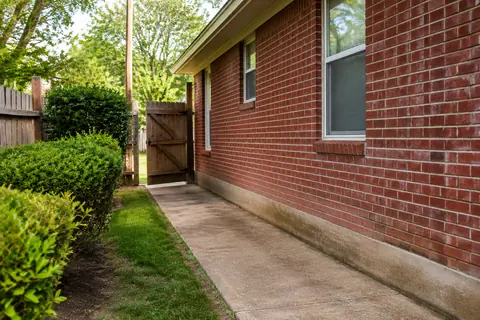
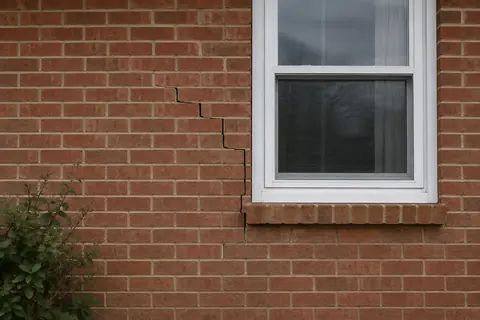
Draw a simple floor plan and label the rooms. Mark each concern with a number, then use that number in the photograph name and note. For example, '03, hallway above bathroom door' makes a close image easy to locate later. For exterior conditions, name the side of the house and include a landmark such as the kitchen window or garage corner.
Take both a detail image and a wider view. Keep the camera position and lighting reasonably similar when you return to the location. Do not alter a crack, force an opening, or climb into an unsafe area to make the pictures consistent. A note explaining that access was limited is better than an unnecessary risk.
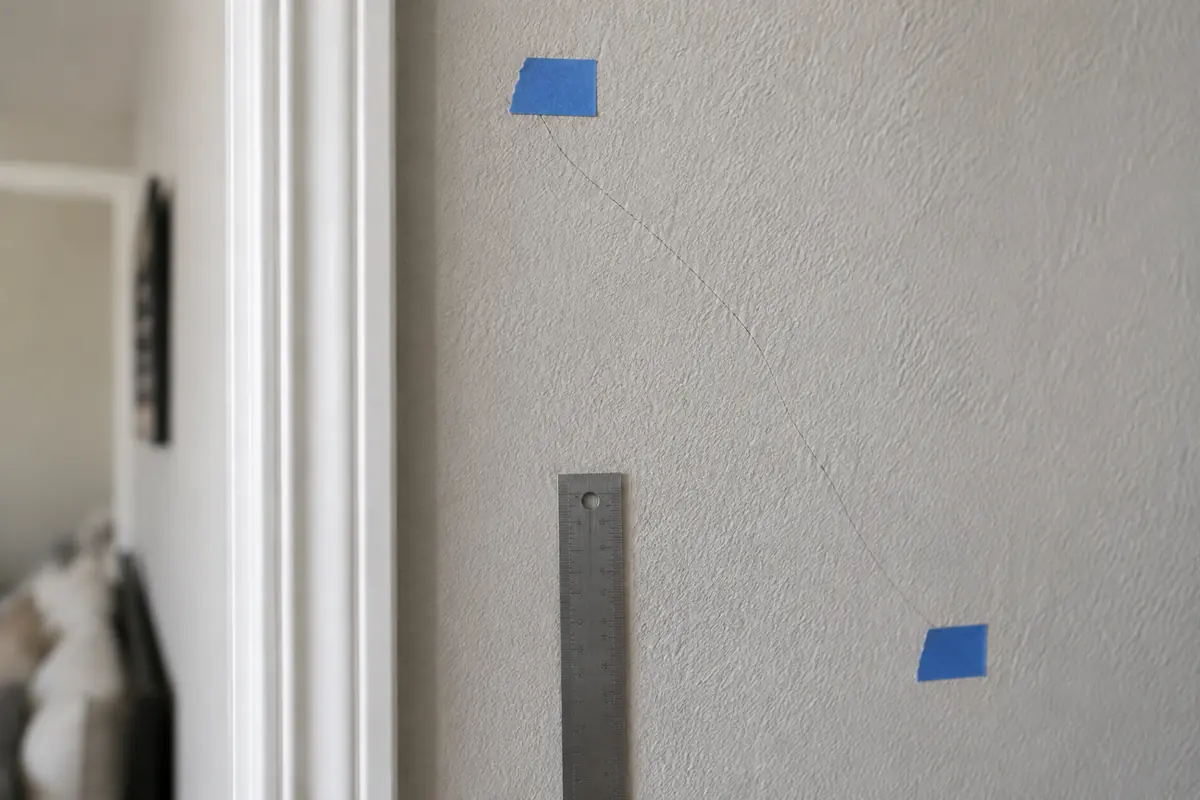
Write 'door catches at the upper edge' rather than 'foundation dropped.' Note whether the condition is new to you, visibly changed, or apparently unchanged. If you cannot tell, say that. Include a ruler beside a visible crack when practical, but avoid treating a casual photograph measurement as a professional determination of movement.
For dates, distinguish discovery from occurrence. You may know that a gap was first noticed on a particular Saturday without knowing when it formed. An older photo showing the same area can help establish a range. Save that original photo with a note explaining why it is relevant to the record.
Keep a simple index of meaningful events rather than recording every uneventful day. A useful entry might link a new crack photograph, a plumbing repair invoice, or a follow-up visit to the same location number. If you later replace the phone or move the files, keep a backup in an ordinary folder with readable names. The record should remain usable without access to one application or account. A future owner or professional can then understand the sequence from the documents themselves.
Include dates for plumbing leaks and repairs, foundation work, drainage installation, gutter changes, major landscaping, and remodeling near the concern. Keep invoices and reports with the observation file. If a contractor adjusted a door, write down what was adjusted and whether the behavior changed afterward. This helps the next professional understand why a symptom may look different at the visit.
Weather notes can be useful context, especially when you observed runoff or a repeatedly wet area. They are not proof of causation. A record that separates 'heavy rain observed' from 'water collected beside rear wall' is more informative than an entry that assumes the storm damaged the foundation.
Ask the inspecting professional whether observation over time is appropriate and which changes should prompt contact. A monitoring plan should identify what matters at your property. Do not choose to wait merely because you have started a spreadsheet, particularly if a condition is changing quickly or affects safe access. Documentation supports evaluation; it does not replace it.
Before an appointment, send or bring the most relevant timeline and complete prior reports. Keep the originals for future comparison. Pro-Tech offers no-cost initial in-person foundation measurements, and the team calls to schedule after receiving your information. Call 972-288-3797 if you want to explain the concern and ask which records will help the visit.
Straightforward answers
Ask the professional reviewing the property to recommend a useful interval and triggers for earlier contact. Use comparable photographs when a visible change occurs rather than collecting repetitive images without a plan.
Start with a labeled selection and a short timeline, while keeping the full set available. Complete prior reports should remain intact so their context and limitations are not lost.
Tell us what you have noticed. We will help you take the next step.
Keep exploring
Relevant services and practical guidance for the questions that come next.
Understand visible changes, gather useful measurements and discuss the next step for your property.
Explore this serviceA measurement plan describes a condition at a moment in time and needs the building's context.
Read the guideGood access and a short property history help the appointment focus on your actual concern.
Read the guideLet's take a closer look
Tell us a little about your property. Our team will contact you to arrange your no-cost initial inspection.
(972) 288-3797Monday to Friday, 8:30 AM to 5:30 PM