Support for concrete slab foundations
Slab Foundation Repair in North Texas
A property-specific approach to slab support, access planning and the questions behind a repair proposal.
Explore this service
Considering another foundation repair
Drilled concrete piers may be an option after a pressed-piling repair develops problems, if a new evaluation supports that approach. The first step is understanding the current concern and the earlier work. A returning crack, rubbing door, or uneven floor deserves attention, but none of those observations alone proves that the piling system failed or that every support needs replacement.
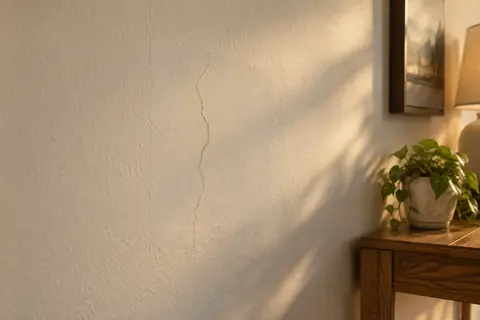
Write down where the concern appeared and when you noticed it. Photograph the location before patching it again, and include enough of the room or exterior wall to identify the area. Describe other changes nearby, including whether a previously troublesome door has begun rubbing again.
Keep several possibilities open. There could be a concern in the earlier repair area, movement outside that area, or distress involving finishes or framing. Foundation Performance Association guidance documents visible conditions that can have causes other than foundation movement. The next inspection should connect the symptom with evidence before assigning responsibility to a particular support.
Avoid accepting either an instant dismissal or an instant replacement pitch. A useful response explains what was examined, what remains uncertain, and which information would help resolve the uncertainty.
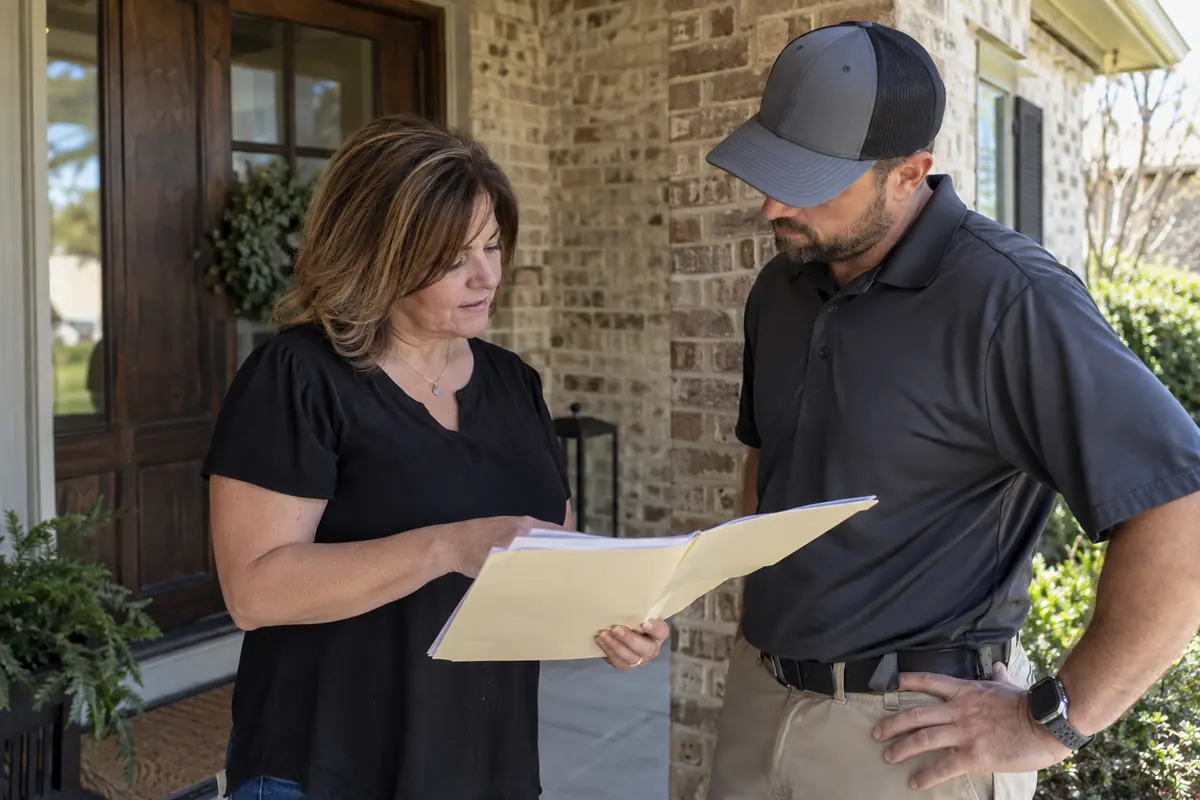
Gather the old proposal, support drawing, completion records, warranty document, and any elevation measurements. Include records of later drainage, plumbing, or remodeling work. A sales estimate shows what was proposed; a completed-work drawing may help establish what was actually installed.
If a previous owner arranged the repair, say which information is missing. You can still report a changing condition while records are being recovered. Ask the original contractor whether it has a project file and what procedure applies to a follow-up request.
Earlier and current measurements are most useful when the evaluating professional determines how they can be compared. Different locations, floor surfaces, or reference points can complicate that comparison. Bring the whole document instead of copying only the highest and lowest numbers.

A cast-in-place drilled pier is formed in an excavated shaft with reinforcement and concrete. A pressed concrete piling uses precast sections advanced into the ground using the building for installation resistance. That physical difference is a reason to examine a drilled option when the evaluation identifies a concern relevant to the earlier installation method.
It is not enough to say that the new method is better. Ask which findings support changing methods at this house, how the proposed support locations relate to the existing ones, and what the repair is intended to accomplish. The Foundation Performance Association describes potential performance problems for both systems; the choice still depends on conditions, design, and installation.
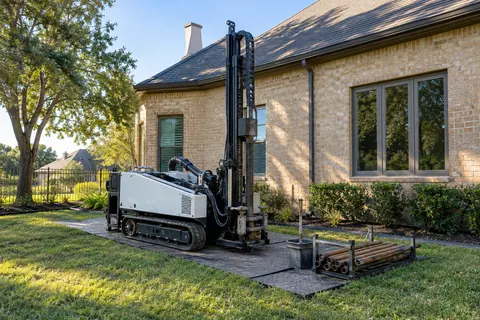
Pro-Tech uses drilled steel-reinforced concrete piers for appropriate slab repairs, with curing before engineer-guided adjustment. That provides a defined construction sequence to discuss. A new proposal should connect that sequence to the diagnosed concern, rather than present it as a universal cure for any prior repair problem.
A different support method will not, by its name alone, resolve an unrelated finish defect or a problem outside the proposed repair area. If the evaluation identifies a separate water, drainage, or plumbing concern, ask how it will be investigated and coordinated with any foundation work.
Also ask whether the concern involves downward movement, upward movement, or a pattern that needs further investigation. Adding support should not be presented as automatically solving every form of foundation movement. The written recommendation needs to state the intended result and its limits.
If the explanation remains unclear or earlier findings conflict, an independent structural engineering evaluation may be useful before another major repair commitment. Being able to explain why the next plan differs from the previous one is particularly valuable when you have already paid for work once.
Have the new scope address what happens around the existing repair. Whether earlier supports remain, are adjusted, or require other treatment belongs to the project-specific plan. Do not assume that changing methods means every old component must be removed, or that the new supports can simply be added without considering what is already there.
Review the earlier written warranty and report the concern through its stated process. Before authorizing another contractor's work, clarify any relevant conditions directly with the provider. A new company cannot decide from a website description whether your old repair is covered.
For the new proposal, establish access, restoration, engineering coordination, completion documentation, and applicable written terms. Keep those records separate from the earlier project while preserving both. The result should be a readable history of the property, not two invoices whose repair areas are impossible to distinguish.
Pro-Tech offers a no-cost initial in-person foundation inspection and measurements. When requesting a visit, include your complete property address, explain that the house has a previous pressed-piling repair, and describe the current changes. Staff will confirm service eligibility and arrange the appointment. Bring the records you have so the discussion can begin with the earlier scope and today's evidence.
Straightforward answers
No. It is a reason to document the condition and arrange follow-up. The earlier scope, current observations, and appropriate measurements help the professional evaluate what changed.
That cannot be determined from the method names. The new assessment and engineering plan need to address existing supports and define the necessary work at the particular property.
Tell us what you have noticed. We will help you take the next step.
Keep exploring
Relevant services and practical guidance for the questions that come next.
A property-specific approach to slab support, access planning and the questions behind a repair proposal.
Explore this serviceA returning crack deserves a clear record and a follow-up that connects today's observations with the earlier work.
Read the guideUnderstand the construction and planning differences that a per-pier price cannot explain.
Read the guideLet's take a closer look
Tell us a little about your property. Our team will contact you to arrange your no-cost initial inspection.
(972) 288-3797Monday to Friday, 8:30 AM to 5:30 PM