Start with the property
Foundation Inspections in North Texas
Understand visible changes, gather useful measurements and discuss the next step for your property.
Explore this service

After foundation work
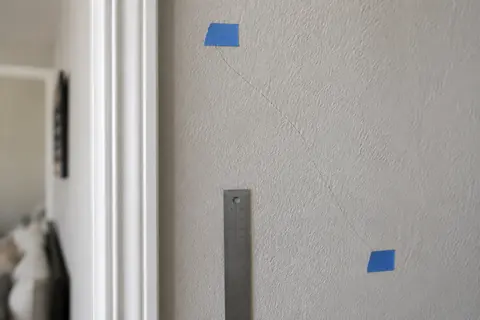
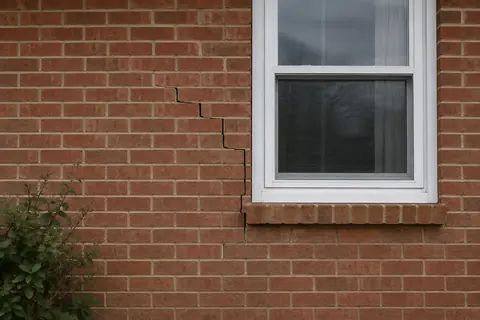
Seeing a familiar crack return after foundation work can be frustrating, especially after you have repaired the wall and repainted the room. It deserves attention, but its appearance alone does not explain what happened. Start by preserving the new evidence and arranging a follow-up that takes the earlier repair into account.
Take one photograph that identifies the location in the room and another showing the crack itself. Record the date you first noticed it and whether it follows the old line, crosses a patched area, or appears somewhere new. Keep the original image files so dates and details remain available.
Check the nearby area without disturbing finishes. Has a door started rubbing again? Is there a new floor change, trim gap, or damp patch? A short description of what else changed helps the inspector understand the current concern. If nothing else seems different, include that observation too.
Gather the repair drawing, completion documents, any before-and-after elevation records, and invoices for later cosmetic work. A proposal shows what was planned; completion records help establish what was carried out. Include the date the wall was patched and painted, which may be quite different from the foundation repair date.
If another owner arranged the work, give the contractor the records you have and identify the gaps. Do not wait to report a changing condition while searching for a perfect file. The follow-up can establish which missing information is useful and whether the original provider still has it.
Finish materials and framing can develop distress for reasons other than foundation movement. Continuing foundation movement, a condition outside the earlier repair area, or a change in moisture conditions may also need consideration. Foundation Performance Association guidance discusses both alternative causes of visible distress and reasons repaired foundations may perform poorly.
A returning crack should not automatically be dismissed as normal settling, and it should not automatically be treated as proof that a pier failed. Ask the professional to explain how the present findings relate to the previous scope. If measurements are compared, the person interpreting them should establish whether the plans and reference information support that comparison.
Contact the original repair company when possible and describe the returning concern. Explain any intervening plumbing, drainage, remodeling, or tree work. If you are contacting Pro-Tech for a new assessment, say who performed the earlier repair and share the available documents.
Before the visit, identify what you want clarified: whether the concern relates to the repaired area, whether further testing is needed, and when another cosmetic repair would be appropriate. Have any warranty document available, but confirm its actual terms and claim procedure with the provider. A crack's appearance alone cannot determine coverage.
Tell the scheduling team if changes are progressing quickly, doors cannot be used normally, or you see loose material or an unsafe floor area. Keep people away from visibly unstable conditions and seek prompt qualified evaluation. Once the assessment identifies the next step, keep that recommendation with the original repair file so the history stays connected.
If the recommendation is to monitor the area, agree on what to record, when to check back, and which changes should prompt an earlier call. If explanations remain inconsistent or important questions are unresolved, discuss an independent engineering evaluation. Leave the appointment with a clear next action and a named contact for follow-up.
Tell us what you have noticed. We will help you take the next step.
Keep exploring
Relevant services and practical guidance for the questions that come next.
Understand visible changes, gather useful measurements and discuss the next step for your property.
Explore this serviceRead the actual terms and ask how they apply to the work described in your proposal.
Read the guideConsistent locations and dated observations make a simple maintenance record useful.
Read the guideLet's take a closer look
Tell us a little about your property. Our team will contact you to arrange your no-cost initial inspection.
(972) 288-3797Monday to Friday, 8:30 AM to 5:30 PM