Start with where the water goes
French Drain Installation in North Texas
Evaluate the water source, collection points, discharge route and maintenance questions before installation.
Explore this service
Yard drainage concerns
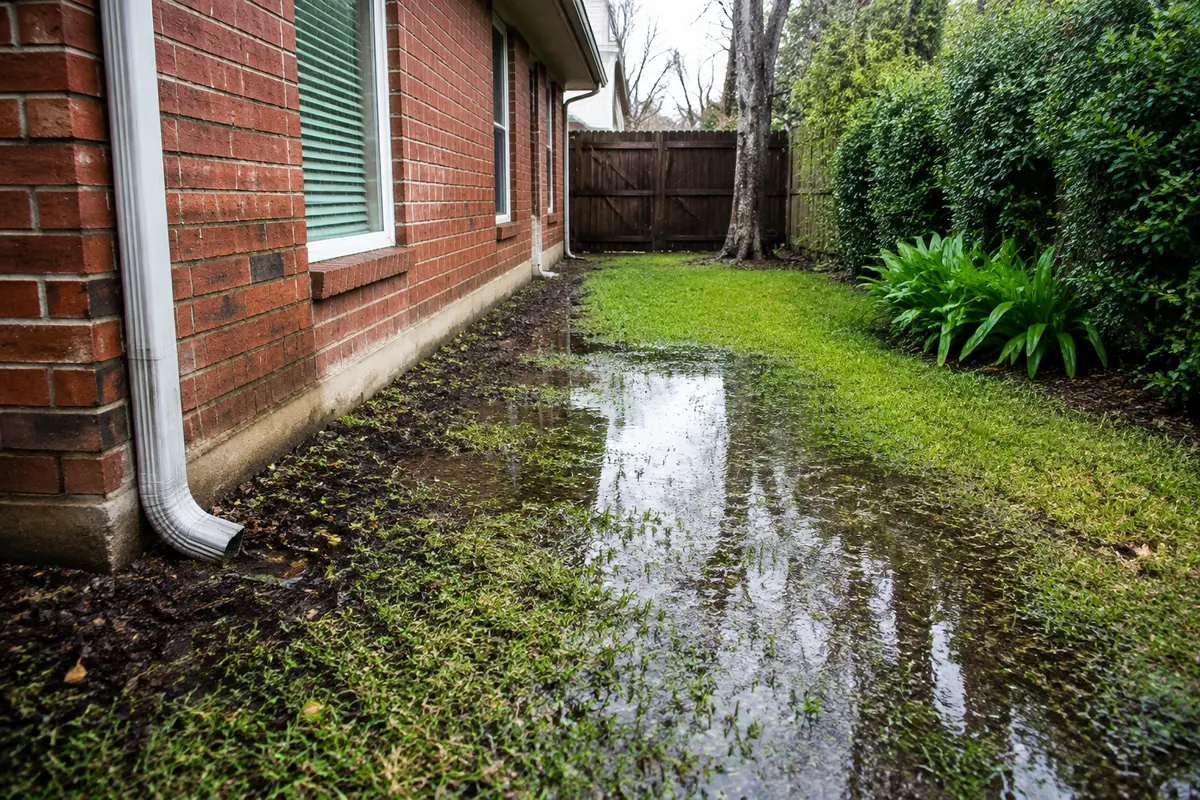
Persistent water beside the house is best sorted by when it appears: only after rain, after irrigation, during otherwise dry conditions, or after a known route changed. These patterns identify the next investigation, not a remote diagnosis. Start with the branch that matches your observations before deciding that a new drain is the answer.
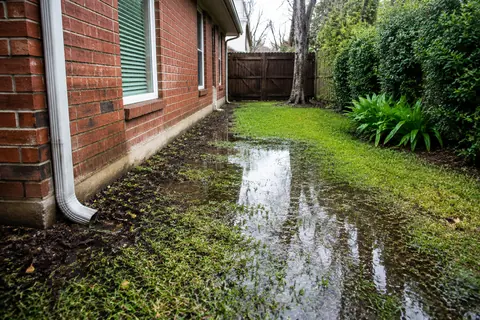
Water appearing with rain calls for a review of roof discharge, paved runoff, low areas, and existing collection points. Record where the flow enters the wet area. If the puddle clears between events, that timing is still useful; if it persists, document the later condition too. A drain proposal should explain which part of that observed path it addresses.
Water appearing after an irrigation cycle calls for a review of that zone and its delivery pattern. A misdirected head, runoff from an adjacent bed, or a system problem are questions for the appropriate irrigation professional. Compare the timing with the controller's actual operation rather than assuming rain caused every wet patch. Do not add a permanent drainage solution before understanding a continuing unintended water supply.
A wet area during otherwise dry weather, with no known irrigation supply, warrants a source investigation. Plumbing and irrigation professionals can help determine whether a leak or another supply is present. A higher water bill is supporting context, not proof of a specific buried leak. Keep active water damage under prompt professional attention.
If pooling began after landscaping, paving, or fence work, compare the current route with older photographs. Edging or a changed surface may obstruct a path or deliver water somewhere new. This branch calls for a layout review: where could water leave before, and where can it leave now? The answer may involve grading or restoring a route as well as, or instead of, a collection system.
Several patterns can coexist. A downspout may feed a low area that is also watered by irrigation. List each known source so one improvement is not expected to manage an unrelated unresolved supply. The written proposal should name the water problem being addressed and the conditions left outside its scope.
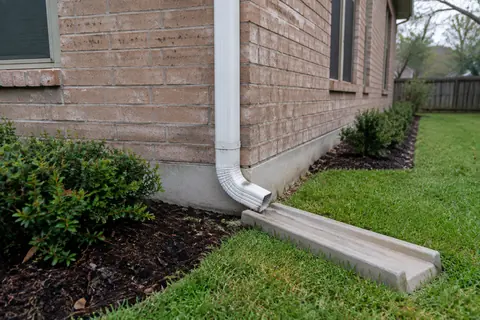
Any collection system needs a suitable destination. Ask the contractor to explain the proposed route, outlet, and site conditions that support it. A pipe buried beside the house is not a complete drainage plan if the destination is unclear. Discharge should be evaluated for the property and applicable local requirements by the responsible professionals.
Discuss whether the proposed work affects a neighboring property, shared area, public right-of-way, or an existing drain. Do not assume that a convenient low point is an authorized destination. Confirm relevant coordination before installation, and make the outlet location part of the written scope so it remains identifiable later.
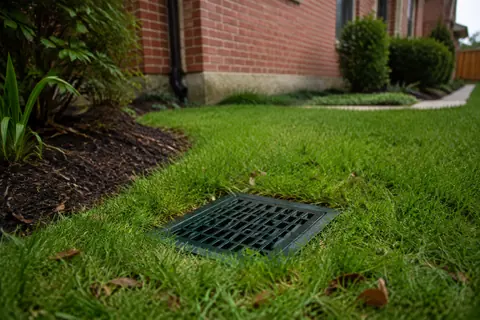
Ask whether the observed concern is surface runoff, below-ground moisture, or a combination. A surface collection point, a French drain, a grading change, or downspout work may play different roles. The proposal should explain why its components fit the observed water path, including maintenance access and restoration after excavation.
Pro-Tech provides French drain installation and can discuss drainage concerns around your home. Call 972-288-3797 or send the property details for a scheduling call. Share photographs from wet conditions and any existing drain plan. That preparation helps the site conversation focus on the actual source, collection area, and destination.
Straightforward answers
Ask for a site review first. Adding soil can change water routes and clearances at the building, and may shift the problem rather than resolve it.
It is useful site information, but it does not establish the crack's cause. Document the building symptom separately and arrange a foundation review when appropriate.
Tell us what you have noticed. We will help you take the next step.
Keep exploring
Relevant services and practical guidance for the questions that come next.
Evaluate the water source, collection points, discharge route and maintenance questions before installation.
Explore this serviceStart with what water needs to be collected and where it can discharge.
Read the guideA working gutter is only part of the route water takes around your home.
Read the guideLet's take a closer look
Tell us a little about your property. Our team will contact you to arrange your no-cost initial inspection.
(972) 288-3797Monday to Friday, 8:30 AM to 5:30 PM