Field notes4 min read
Stair-step cracks in brick: what to document before an inspection
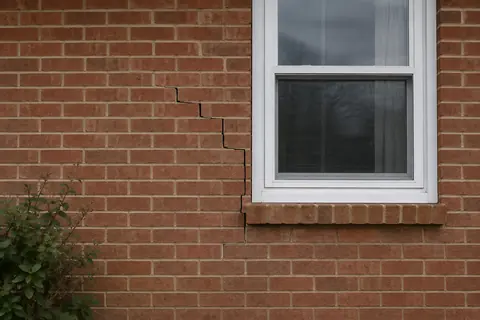
A stepped mortar crack deserves context, including its location, history, and nearby openings.
Read the guide
Brick cracks and garage openings
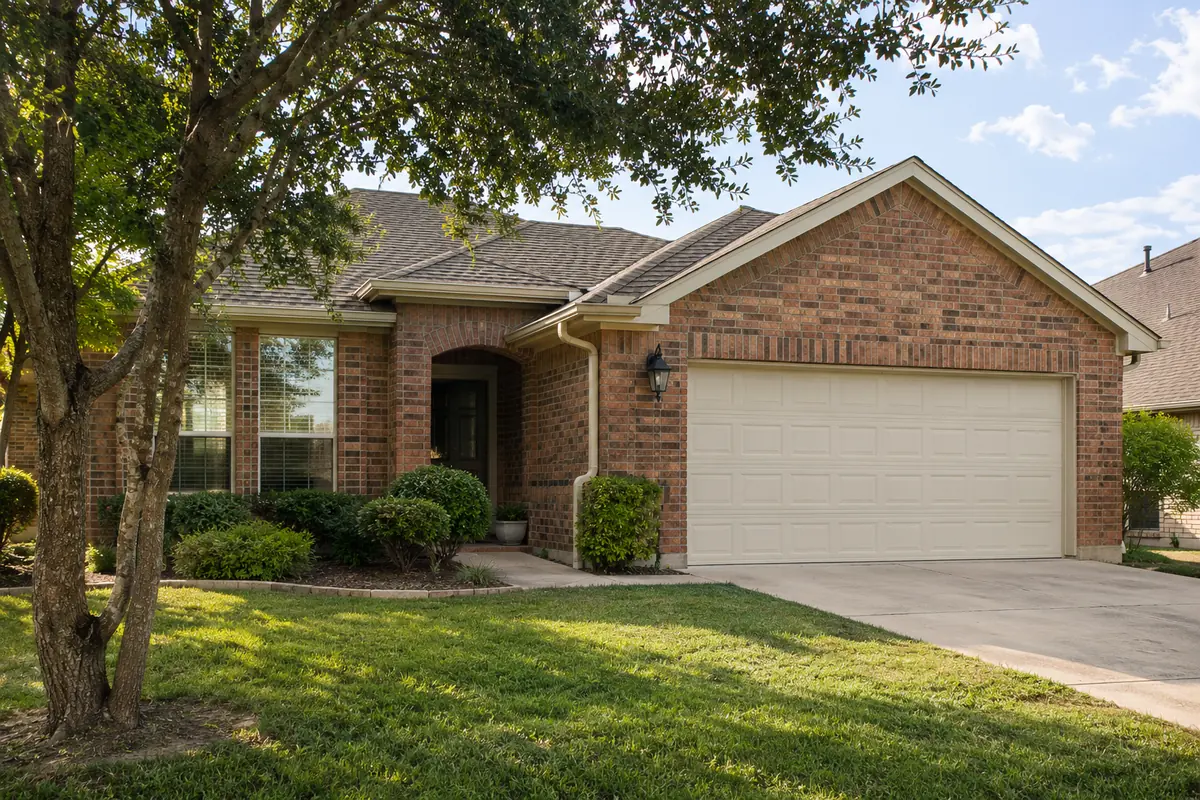
A crack that starts at the corner of a garage door can lead to two very different bids. A mason may propose work on the steel that carries the brick over the opening. A foundation contractor may recommend checking the support beneath that end of the house. To decide who to call, first look at where the crack begins, where it ends and what else has changed nearby.
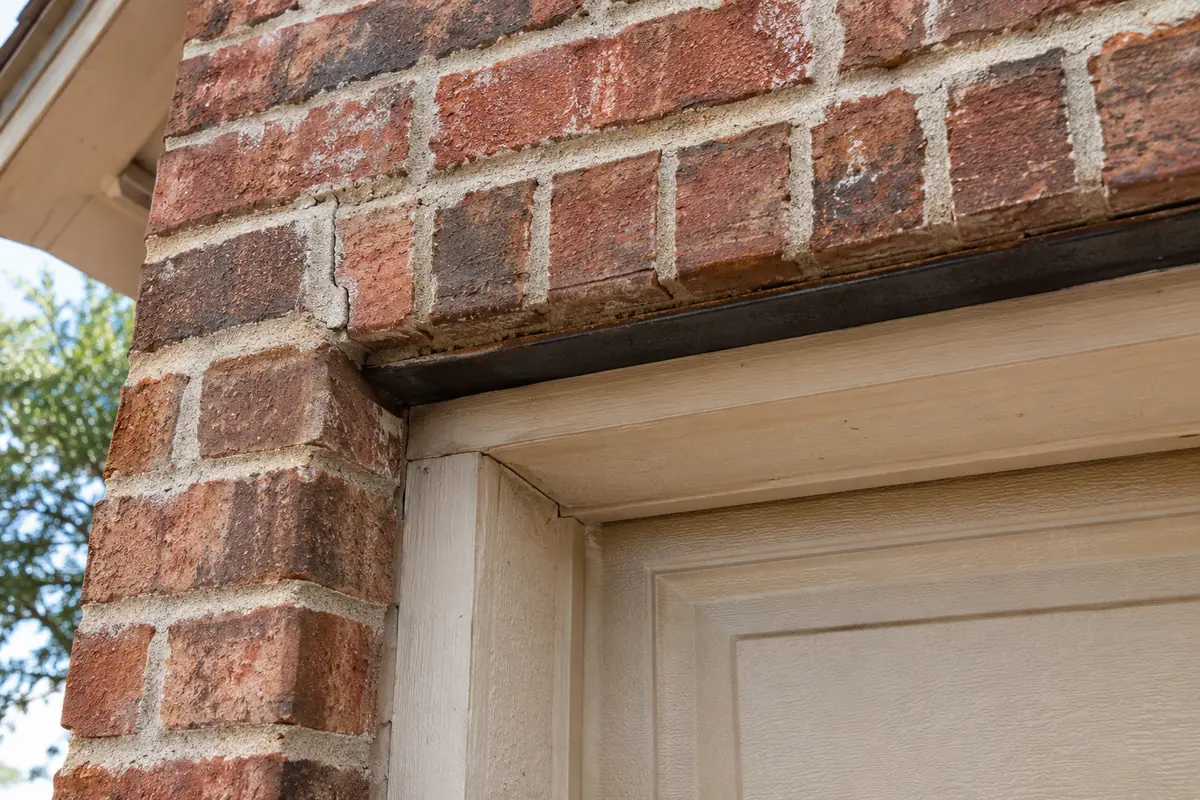
Look at the underside of the first row of bricks over the door from a safe spot on the driveway. On many brick veneer homes you can see a narrow edge of steel. This is part of the lintel, the horizontal support that spans the opening and carries masonry above it. The garage door travels on its own tracks. Adjusting those tracks does nothing to support the brickwork.
The details vary by house. A steel angle may bear on the masonry at the sides, or a different assembly may connect the support to the structure behind the veneer. A contractor pricing lintel work should identify which arrangement is present and where they need a closer look. The width of the door alone tells you very little about the condition of those connections.
Stand far enough back to see the full opening. Does the bottom row of brick dip near the middle? Is mortar opening directly above the steel? Is there rust staining concentrated at one end? Those observations give a masonry professional specific places to assess for support, corrosion and moisture entry. A rusty streak by itself does not establish that the steel has lost its capacity.
Then follow the crack beyond the opening. A short crack in the mortar joints at the corner can resemble a longer stair-step crack elsewhere on the house. Photograph the full garage face and both side returns, as well as the close-up. If pieces are loose or masonry is visibly shifting overhead, keep people and vehicles clear of the opening and arrange prompt professional assessment.
Suppose the brick over the garage has cracked and, around the corner, the door from the hall into the garage has recently begun rubbing its frame. Mention when each change appeared. An inspector can compare those locations with the floor elevations and check the adjacent living space. The combination gives the visit a clear starting point. It still takes an assessment to connect the observations.
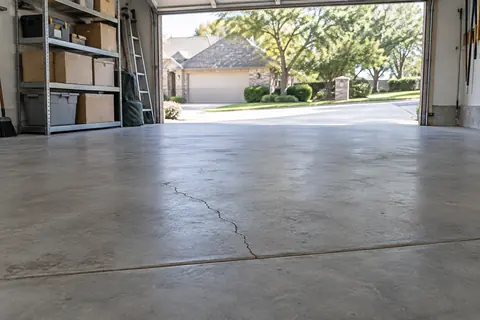
A garage floor often slopes toward the vehicle entrance by design. If the only additional clue is that a ball rolls toward the driveway, that tells the inspector much less than a dated photograph showing a new separation. Bring any earlier measurements or repair plans so the inspector can place today's observations in context.
A useful masonry proposal explains which bricks or joints will be opened, how the support will be evaluated and what the repair includes. If someone proposes repointing the mortar, ask what they found at the steel and at the ends of the opening. Fresh mortar may improve the joint while leaving the reason it opened unresolved.
For a foundation proposal, ask to see the relevant measurements on a plan. Which area needs support, and how does that finding fit the distress near the garage? If the brickwork also needs attention, establish who will assess it and when finish repairs should take place. An independent structural engineer can help when the findings conflict or the way the opening carries weight is unclear.
Pro-Tech offers a no-cost initial in-person foundation inspection in its North Texas service area. If the crack extends beyond the garage or other parts of the house have changed, request a visit before committing to finish work. Send the property address and describe which side of the opening is affected. A wide exterior photo and the approximate date you first saw the crack will help our team understand the concern when arranging the appointment.
Straightforward answers
Yes. The door mechanism and the support over the opening serve different purposes. Tell the inspecting professional about any operating changes, and have damaged or loose overhead masonry assessed even if the door runs smoothly.
Leave visible joints available for inspection where practical. If a repair has already been made, bring photographs of the original crack and tell the inspector when the area was patched or repointed.
Tell us what you have noticed. We will help you take the next step.
Keep exploring
Relevant services and practical guidance for the questions that come next.
A stepped mortar crack deserves context, including its location, history, and nearby openings.
Read the guideLook at the surrounding slab, its joints, and changes over time when a garage floor crack catches your attention.
Read the guideMatch the professional and the document to the question you need answered.
Read the guideUnderstand visible changes, gather useful measurements and discuss the next step for your property.
Explore this serviceLet's take a closer look
Tell us a little about your property. Our team will contact you to arrange your no-cost initial inspection.
(972) 288-3797Monday to Friday, 8:30 AM to 5:30 PM