Start with where the water goes
French Drain Installation in North Texas
Evaluate the water source, collection points, discharge route and maintenance questions before installation.
Explore this service
Plan the whole water route
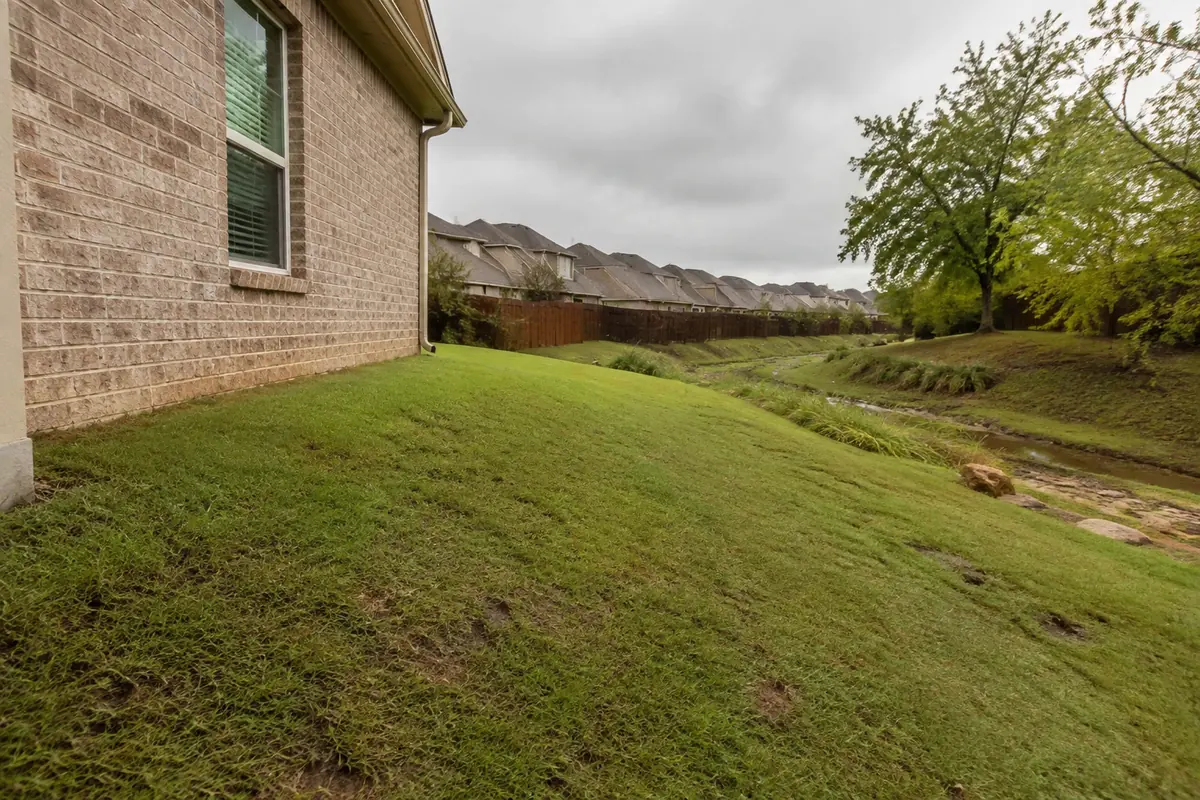
Changing a yard's slope can change where runoff travels, but the destination is just as important as the slope itself. Before adding soil or reshaping a low area, review the complete path around the house and the constraints along it. A useful drainage plan accounts for the building, neighboring areas, utilities, trees, and a suitable outlet.
Photograph where water enters the area, crosses the yard, and collects. Include roof discharge, driveways, patios, bed edges, and existing drains. If you can safely observe a rain event, note the route while it is visible. A dry-day photograph of a puddle location alone may not show the sources feeding it.
Tell the contractor about recent additions to the yard. New edging, a patio extension, a fence base, or a raised bed can change the route available to runoff. Do not assume that the lowest visible spot is the only area that needs review. The surrounding features may explain why water reaches that point.
EPA moisture guidance addresses grading around foundations as part of controlling water near buildings. Applying that principle to an existing property requires attention to the actual wall and foundation details. Ask a qualified professional to evaluate the proposed finished grade and necessary clearances instead of adding soil against the house until the puddle disappears.
Include vents, access openings, door thresholds, siding, and masonry details in the discussion. A grading change should not bury a feature that needs exposure or create a new entry route for water. If the work involves a retaining condition or a significant elevation change, ask whether additional design input is required.
Discuss buried utility locating, private irrigation, drainage pipes, and known tree roots before excavation. Texas A&M Forest Service warns that grade changes and root disturbance can harm trees, so a qualified arborist may need to be part of planning around a mature tree. The yard's appearance does not reveal all the constraints below it.
Ask the contractor to identify the final discharge destination and any permissions or local coordination needed. Moving runoff across a boundary or toward an unsuitable outlet can create another problem. Keep the destination and route in the written scope, along with any collection system that forms part of the overall plan.
Restoring a yard after another project is a useful time to review the drainage route. Soil placement, new edging, or a rebuilt path can alter the layout even when the original work was unrelated to drainage. Compare the finished area with the agreed water path before treating restoration as complete. This is especially relevant after utility or foundation access work: the repair record should show the actual restoration, while a later rain observation can document whether runoff follows the intended route.
A proposal should describe the intended flow route, associated drains, restoration, and access for maintenance. Ask what you should observe during later rain and whom to contact if water follows an unexpected path. Preserve the final plan and photographs so a future landscaping project does not accidentally block the route the drainage work created.
Pro-Tech provides French drain installation and can discuss the drainage concern at your property. Call 972-288-3797 or submit the address and callback information for a scheduling call. Explain where water collects and any planned yard changes so the review can consider the slope and the outlet as parts of the same system.
Straightforward answers
Get the proposed grade and building clearances reviewed first. Filling one area can redirect water or cover important building features.
The entire route, surface condition, erosion concerns, and destination matter. Ask for a site-specific plan rather than choosing a slope from a general rule.
Tell us what you have noticed. We will help you take the next step.
Keep exploring
Relevant services and practical guidance for the questions that come next.
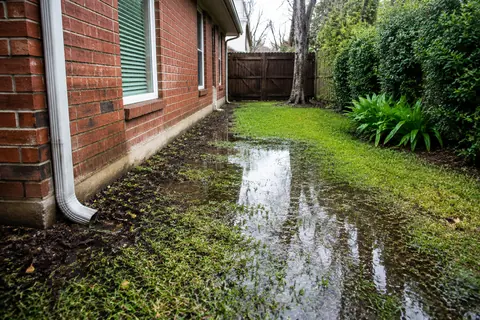
Evaluate the water source, collection points, discharge route and maintenance questions before installation.
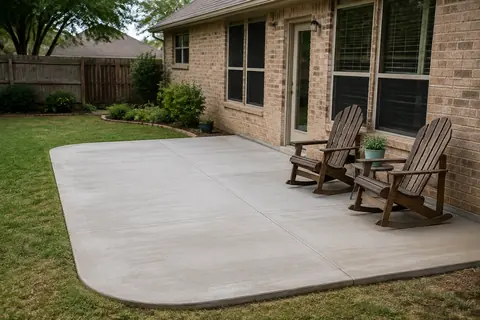
Explore this servicePlan where water will travel before deciding the patio's final shape and elevation.
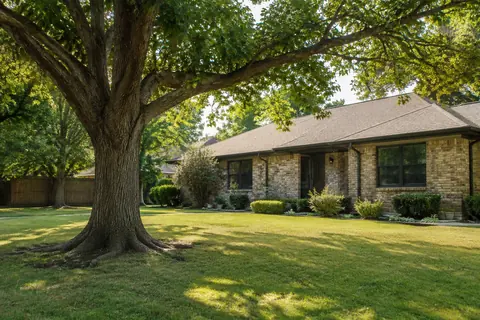
Read the guideA nearby tree calls for context and coordinated advice, not an automatic removal decision.
Read the guideLet's take a closer look
Tell us a little about your property. Our team will contact you to arrange your no-cost initial inspection.
(972) 288-3797Monday to Friday, 8:30 AM to 5:30 PM