Support for concrete slab foundations
Slab Foundation Repair in North Texas
A property-specific approach to slab support, access planning and the questions behind a repair proposal.
Explore this service
Foundation questions
A crack or a stubborn door can raise a reasonable concern, but neither tells you by itself that your foundation needs repair. The most useful starting point is the pattern: what changed, where it changed, and whether several symptoms appeared in the same part of the home. An in-person review can put those observations in context.
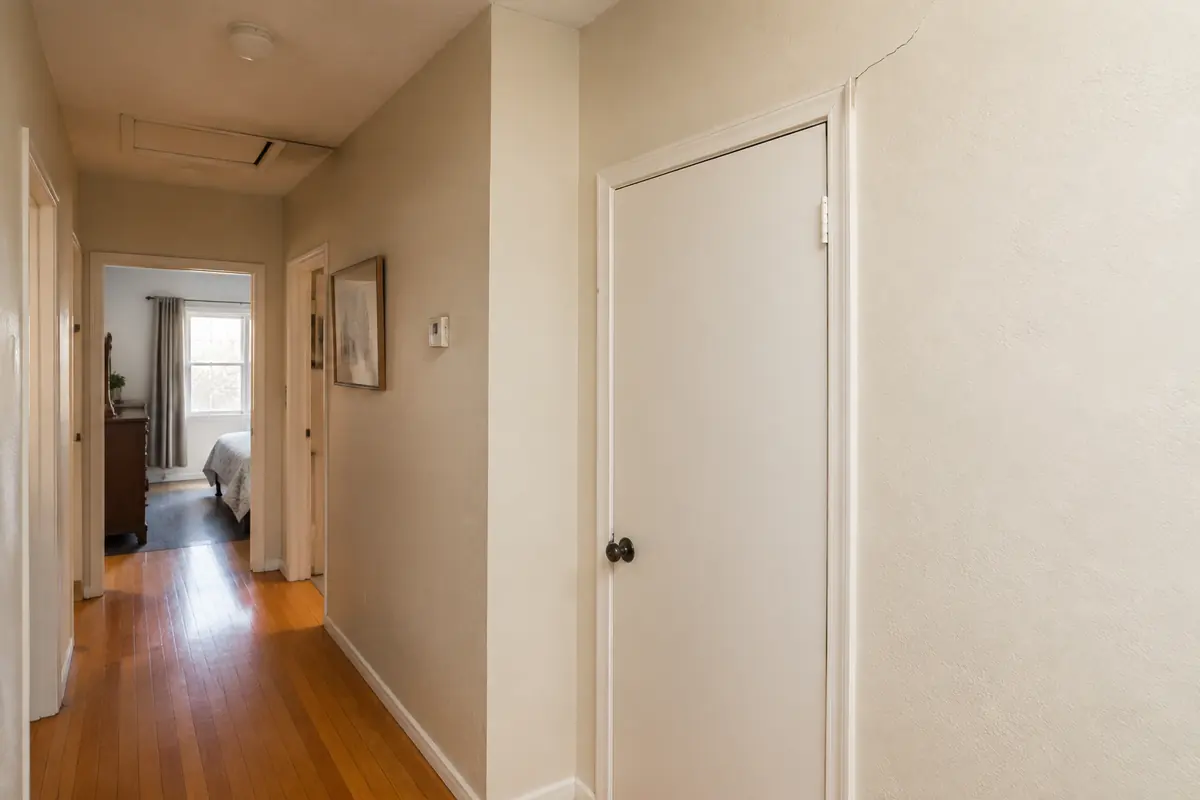
Walk through the rooms you normally use and describe anything that feels different. A bedroom door that recently stopped latching, a nearby wall crack, and a floor that seems to slope toward that corner are more informative together than three disconnected photographs. Note the room and wall for each observation so the person inspecting the home can compare locations.
Include things that have stayed the same. A crack visible in a photograph from years ago has a different history from one that appeared last week. You do not need to decide which condition is structural. Your job is to provide a reliable account of what you have noticed.
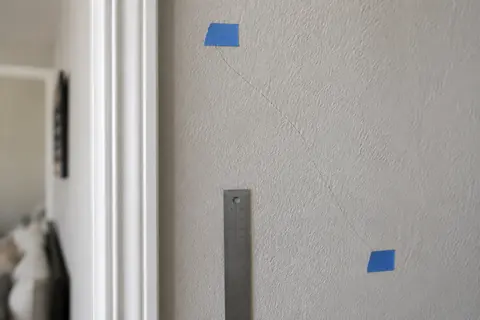
Photograph a crack close enough to show its path, then step back to include the surrounding wall, opening, or brickwork. If you use a ruler for scale, hold it beside the crack without forcing anything into the opening. Give the photograph a date and a clear location. A simple note such as 'living room, left of rear window' is more useful than 'bad crack.'
For doors and windows, describe the behavior: rubbing at the top, catching at the latch, opening only partway, or requiring unusual force. Do not keep forcing a stuck window or repeatedly slamming a door to test it.
Before-and-after observations can be especially helpful when a repair has changed the visible evidence. Suppose a hallway door was adjusted in March and began rubbing again in August. Keep the adjustment invoice with the new photograph and explain whether nearby cracks changed during the same period. That sequence gives the inspector a more useful starting point than simply saying the door has been fixed before. If several household members noticed different things, combine their notes into one dated list while preserving uncertainty about when each condition began.
Finish materials, door hardware, moisture, and earlier repairs can all affect what you see. Foundation Performance Association guidance specifically addresses distress that can be mistaken for foundation movement. That is why a symptom should begin a question rather than end the investigation. Fresh paint, replaced trim, or new flooring can also change how an old condition becomes visible.
Tell the inspector about remodeling, plumbing work, drainage changes, and previous foundation repairs. If you know when a door was adjusted or a wall was patched, include that date. These details help separate a current change from a condition that has already been addressed.
Bring your main concern to the appointment in one sentence: 'The back bedroom door and two nearby cracks changed this summer.' Ask how the visible symptoms compare with the measurements and whether more information is needed before discussing repair. A useful explanation should identify observations, limitations, and the next step, even if that next step is monitoring or a separate plumbing or engineering evaluation.
Pro-Tech offers no-cost initial in-person foundation measurements. Submit your property details or call 972-288-3797, and the team calls to schedule. If a wall appears unstable, a floor suddenly gives way, or you cannot safely use an exit, keep people away from the affected area and seek appropriate urgent help.
Straightforward answers
No. Its location, history, surrounding conditions, and relationship to other observations matter. An inspection can help determine whether it belongs in a larger pattern.
If practical, photograph them and let the inspector see them first. If a repair cannot wait, keep dated before-and-after photographs and explain what materials or areas were changed.
Tell us what you have noticed. We will help you take the next step.
Keep exploring
Relevant services and practical guidance for the questions that come next.
A property-specific approach to slab support, access planning and the questions behind a repair proposal.
Explore this serviceAn effective visit connects your concerns with observations, measurements, and a clear next step.
Read the guideConsistent locations and dated observations make a simple maintenance record useful.
Read the guideLet's take a closer look
Tell us a little about your property. Our team will contact you to arrange your no-cost initial inspection.
(972) 288-3797Monday to Friday, 8:30 AM to 5:30 PM