Support for concrete slab foundations
Slab Foundation Repair in North Texas
A property-specific approach to slab support, access planning and the questions behind a repair proposal.
Explore this service
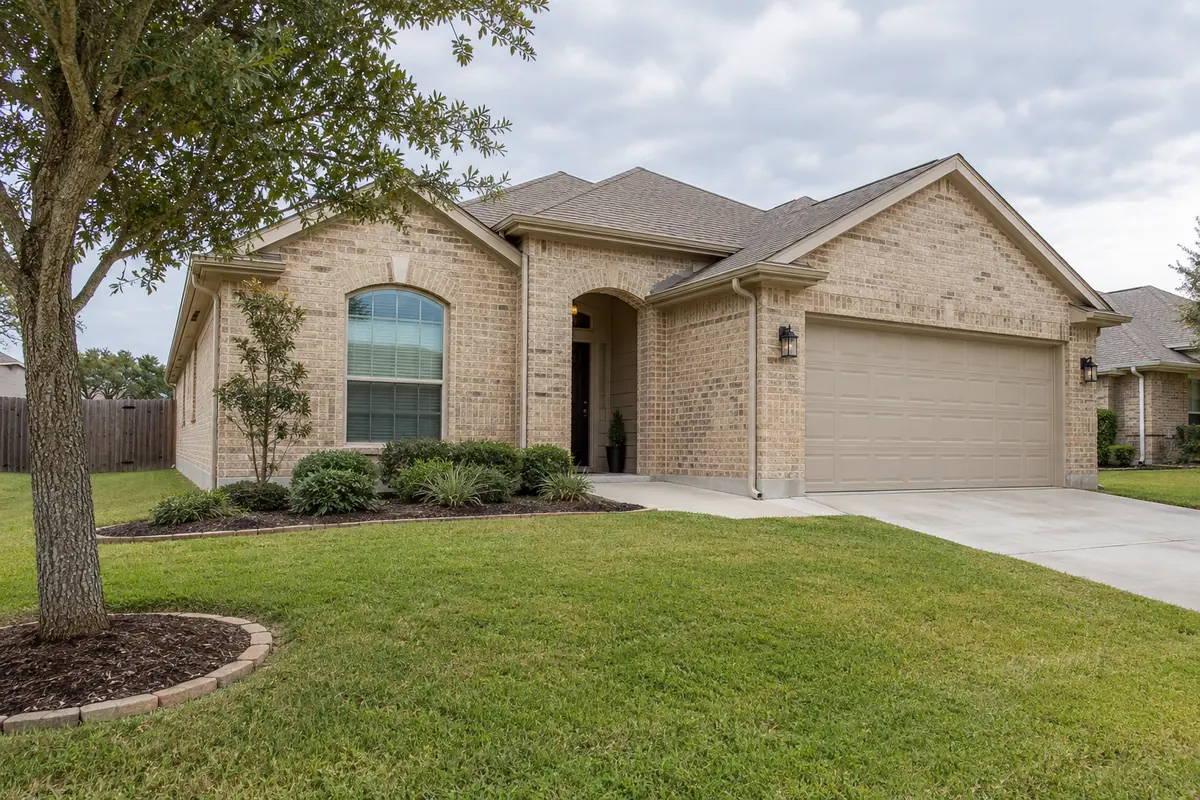
Planning around a post-tension slab
Yes, a post-tension slab can be repaired. The important question is what needs repair and how the work will account for the slab's tensioned steel tendons. A support problem beneath the foundation and damage to a tendon are different conditions, even when both involve the same slab. Before hiring a contractor, make sure the proposed assessment, engineering and construction responsibilities match the problem being investigated.
Post-tensioning uses steel tendons that are stressed after the concrete has developed the required strength. The force places compression into the concrete as part of the structural design. That system needs to be considered when planning work that could affect the slab or its reinforcement. It is not a reason to assume that an existing foundation is beyond repair.
Start with the records you have: original plans, builder information, previous engineering reports and repair documents. A warning stamp or other visible marking may be a useful clue, but the contractor should establish the foundation construction using appropriate information and investigation. Do not make an exploratory cut or hole to try to identify the reinforcement yourself.
An uneven floor or changing crack can prompt a foundation assessment, including observations and relative elevation measurements. Those findings help evaluate the foundation's shape and the need for further investigation. They do not, by themselves, establish that a tendon has failed. The proposed repair should make clear whether it addresses support beneath the slab, concrete damage, the post-tensioning system, or more than one concern.
The Post-Tensioning Institute describes evaluation and repair of existing post-tensioned structures, including structures with tendon damage. That establishes that repair methods exist; it does not establish the correct method for your home. A specialist evaluation may be needed when there is a tendon or anchorage concern. Ask who will assess that question and how the findings will be incorporated into the foundation plan.
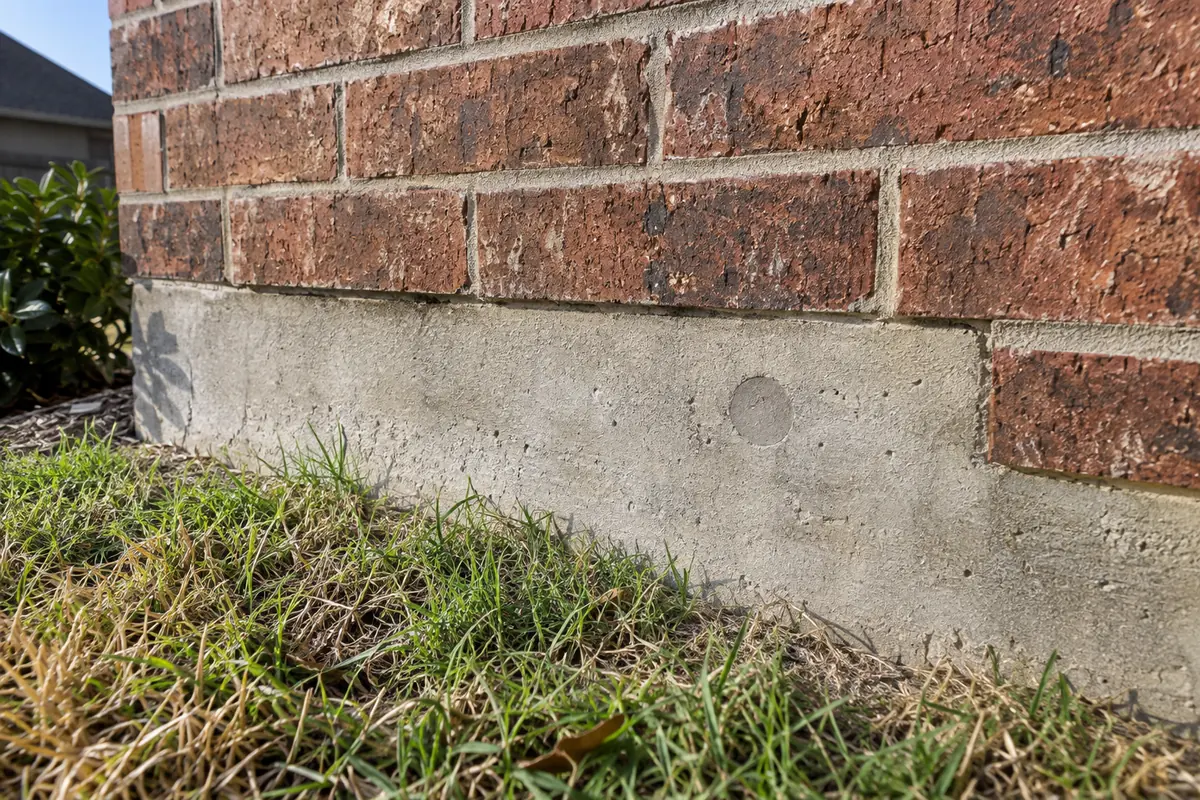
Coring, drilling or cutting into a post-tensioned structure can damage tendons. If a repair needs a floor opening, the contractor should explain how the work area and existing reinforcement will be investigated, how the opening will be planned and who authorizes the procedure. An approximate cable location or a general promise to be careful is not a complete access plan.
The same coordination matters if a plumber or remodeling contractor will work on the slab before or after foundation repair. Share the foundation information with everyone whose work could penetrate it. Avoid removing or disturbing exposed tendon or anchorage components. If you have noticed damage in such an area, describe it when arranging the evaluation and leave it for qualified professionals to examine.
A contractor should be able to describe the relevant experience and the limits of its own scope. You are looking for clear responsibility across the project, especially when the foundation contractor, an independent engineer and a post-tension specialist have different roles. Ask for those responsibilities in writing before the work is scheduled.
Pro-Tech uses drilled, steel-reinforced concrete piers for appropriate slab support repairs. The piers cure before adjustment under the independent structural engineer's guidelines. For a house with a post-tension slab, the assessment and repair planning must account for that construction before determining suitability, locations and access. The presence of post-tensioning is information the team needs at the start.
A foundation support proposal should not be read as an offer to repair or restress tendons unless that work and its qualified provider are specifically identified. Clarify any separate specialist work and how it affects scheduling. Also establish who handles disturbed flooring and other finishes so the full project can be planned around the agreed structural sequence.
You do not need to decide whether the problem is a tendon or the ground beneath the foundation before making contact. Explain the visible concern, when you noticed it and whether there has been earlier foundation work or slab cutting. Send available records with the property information, and identify any specialist findings already in hand.
Request Pro-Tech's no-cost initial in-person foundation inspection to begin that conversation. Tell our staff that the house has, or may have, a post-tension slab. They will confirm the address is within our service area and arrange the visit; any separate engineering or specialist service should have its own clearly explained scope and terms.
Straightforward answers
No. A crack is an observation that needs evaluation. Its appearance alone does not establish tendon condition or identify the appropriate repair.
Any planned penetration needs to account for the post-tensioning system before cutting begins. Coordinate the plumbing access with qualified professionals and the necessary structural review instead of treating a slab opening as routine demolition.
Tell us what you have noticed. We will help you take the next step.
Keep exploring
Relevant services and practical guidance for the questions that come next.
A property-specific approach to slab support, access planning and the questions behind a repair proposal.
Explore this serviceGood access and a short property history help the appointment focus on your actual concern.
Read the guideA measurement plan describes a condition at a moment in time and needs the building's context.
Read the guideUnderstand where the work will happen before planning around a foundation repair.
Read the guideLet's take a closer look
Tell us a little about your property. Our team will contact you to arrange your no-cost initial inspection.
(972) 288-3797Monday to Friday, 8:30 AM to 5:30 PM