Support for concrete slab foundations
Slab Foundation Repair in North Texas
A property-specific approach to slab support, access planning and the questions behind a repair proposal.
Explore this service
Understanding the repair sequence
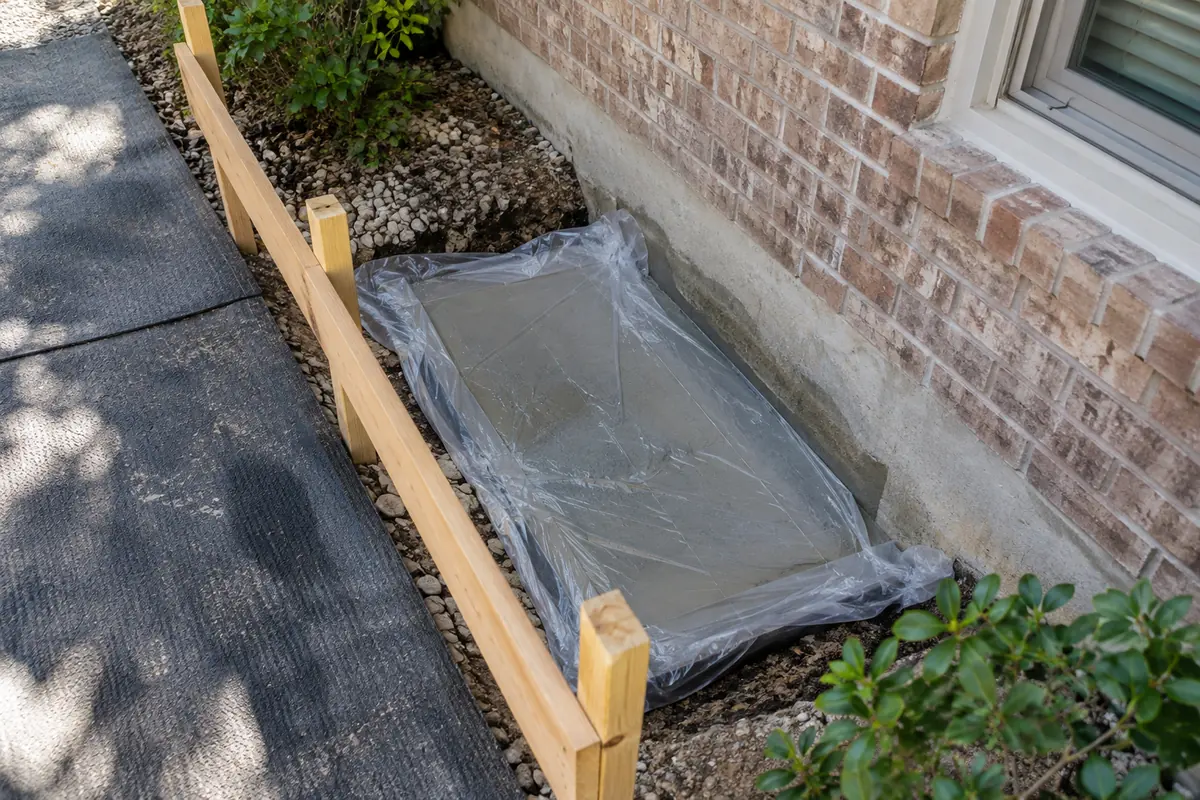
Drilled concrete piers need time to develop the strength required for their work before the house is adjusted onto them. That makes curing part of the repair, even when there is little visible activity at your property. For homeowners comparing schedules, the important distinction is between a crew finishing a task and a newly formed support being ready for the next one.
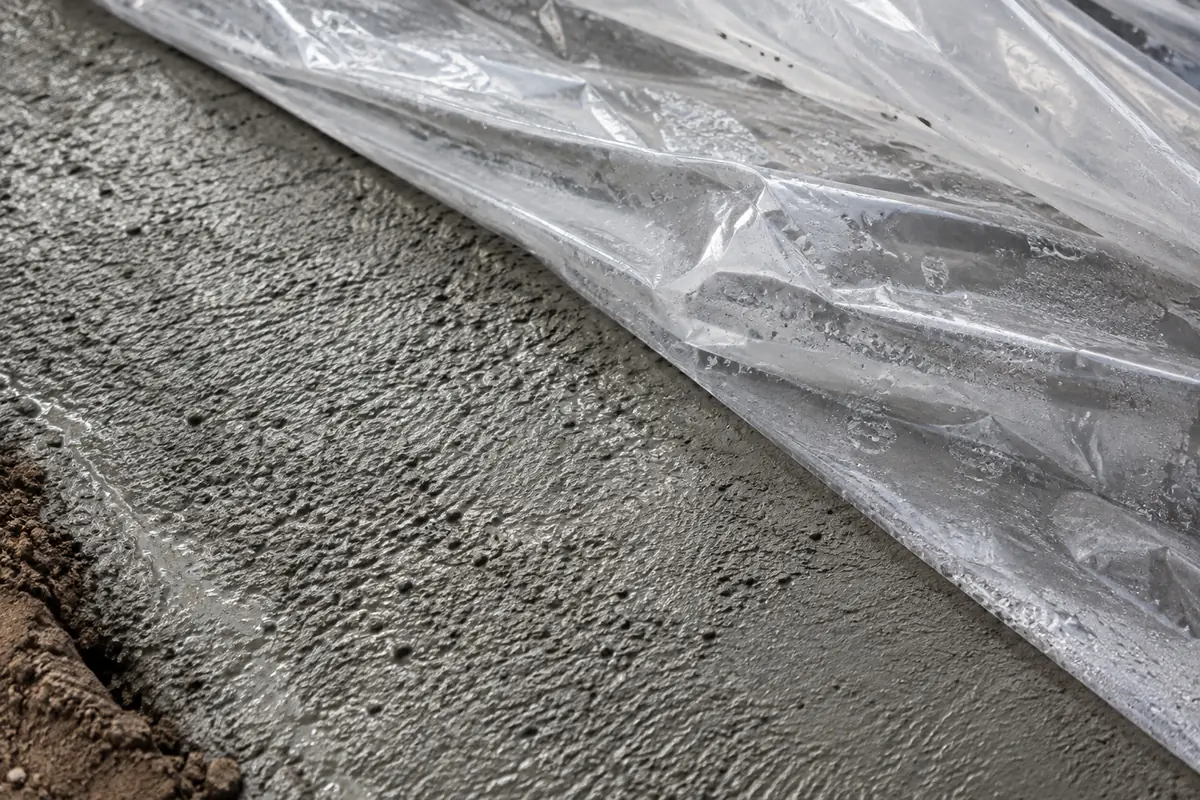
Concrete does more than dry out. Water reacts with cementitious material through hydration, which develops the concrete's properties. Curing maintains conditions that support that reaction. Moisture and temperature matter, so a surface that looks dry cannot tell a homeowner whether a support is ready to receive its planned load.
The National Ready Mixed Concrete Association explains curing as a construction step that helps concrete develop its intended strength and durability. Its general guidance is useful for understanding the principle, but it does not establish the leveling date for your foundation repair. That decision belongs to the project's requirements and the professionals responsible for the work.
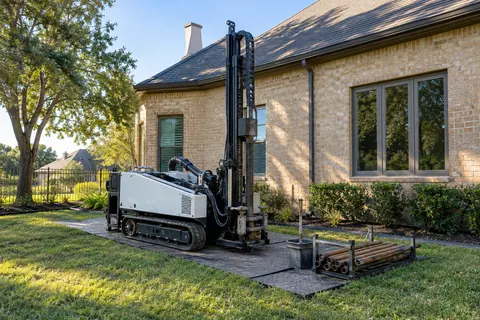
For appropriate slab repairs, Pro-Tech drills at the planned support locations and forms steel-reinforced concrete piers. The concrete cures before the slab is adjusted under the independent structural engineer's guidelines. This sequence gives each stage a defined purpose: establish the support, allow its concrete to develop, then carry out the planned adjustment.
That is one of the practical distinctions of a pier cast at the property. You are paying for a constructed support system and the work needed to put it into service. The interval between those stages should be explained in the proposal discussion, rather than appearing as an unexpected break after the crew has opened access locations.
Ask for an anticipated sequence and the conditions that must be satisfied before leveling begins. A good conversation covers when piers will be formed, how the curing stage is managed, who confirms readiness, and how you will hear about a change. Those answers are more useful than a single promise about the total number of days.
The curing interval depends on the concrete mix, support design, and conditions at the site. A familiar concrete milestone from a driveway project should not be used to approve loading a foundation pier. If you have a closing, move, or renovation deadline, share it before authorizing work so the team can explain what can realistically be coordinated.
Before work starts, walk through what the property will look like during the curing stage. Ask which access points remain active, how work areas will be protected, and which routes your household can use. If an exterior door, gate, or walkway is affected, agree on the alternative before the crew leaves for the day.
Explain any needs involving children, pets, mobility, deliveries, or working from home. Interior access may also affect furniture placement and the rooms available to you. A project can be progressing as intended while these arrangements remain necessary; knowing that in advance makes the interval easier to manage.
Follow the project's access and care instructions. Do not uncover supports, remove protection, add water, or try to check the concrete yourself. If you see a disturbed barrier or another change around the work area, contact the team and describe it. Keeping the work area protected is a useful homeowner responsibility; deciding when a pier is ready is not.
A contractor using precast components may describe a different schedule because those components were manufactured before reaching your property. That distinction does not, by itself, prove either repair is suitable. Ask each contractor to explain the proposed support system, engineering involvement, access, adjustment, and completion review.
For a drilled-pier proposal, the curing stage should be visible in that explanation. Also separate the leveling date from the dates for closing access openings, restoring finishes, and completing the engineer's final inspection. Otherwise, two estimates can appear to promise the same completion while describing different milestones.
Keep flooring and paint appointments flexible until the relevant work and follow-up requirements are clear. A calendar built around actual handoffs is more useful than booking every trade for the day after an estimated last crew visit.
If a proposed repair schedule feels unclear, start with the foundation concern and the support plan. Pro-Tech offers a no-cost initial in-person foundation inspection and measurements within its North Texas service area. Include your full property address, the changes you have noticed, and any renovation dates when you request a visit. Staff will confirm service eligibility and arrange the appointment.
Straightforward answers
It is a planned stage of a cast-in-place concrete repair. Ask which milestones are being tracked, what protection remains necessary, and when the team expects to update you about the next visit.
Appearance is not a reliable readiness check. The project requirements and responsible professionals determine when the newly formed support can receive the planned loading and adjustment.
Tell us what you have noticed. We will help you take the next step.
Keep exploring
Relevant services and practical guidance for the questions that come next.
A property-specific approach to slab support, access planning and the questions behind a repair proposal.
Explore this servicePlan for the whole project, including decisions and related work before and after the crew visit.
Read the guideUnderstand the construction and planning differences that a per-pier price cannot explain.
Read the guideLet's take a closer look
Tell us a little about your property. Our team will contact you to arrange your no-cost initial inspection.
(972) 288-3797Monday to Friday, 8:30 AM to 5:30 PM