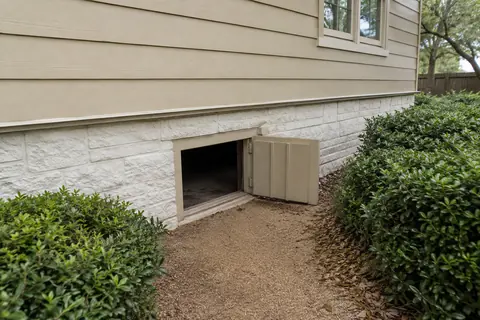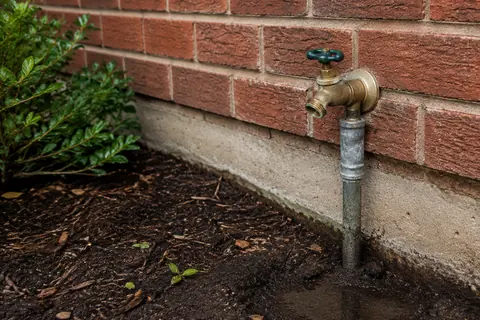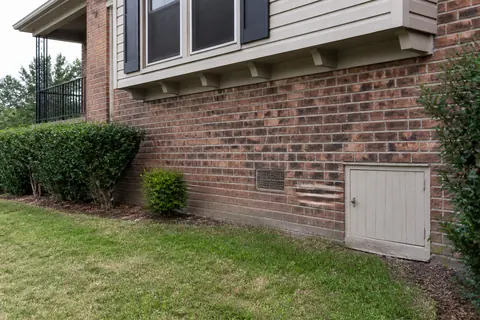
A closer look beneath raised floors
Pier and Beam Foundation Repair
Evaluate raised-floor concerns with attention to supports, access, moisture and the full repair scope.
Explore this service
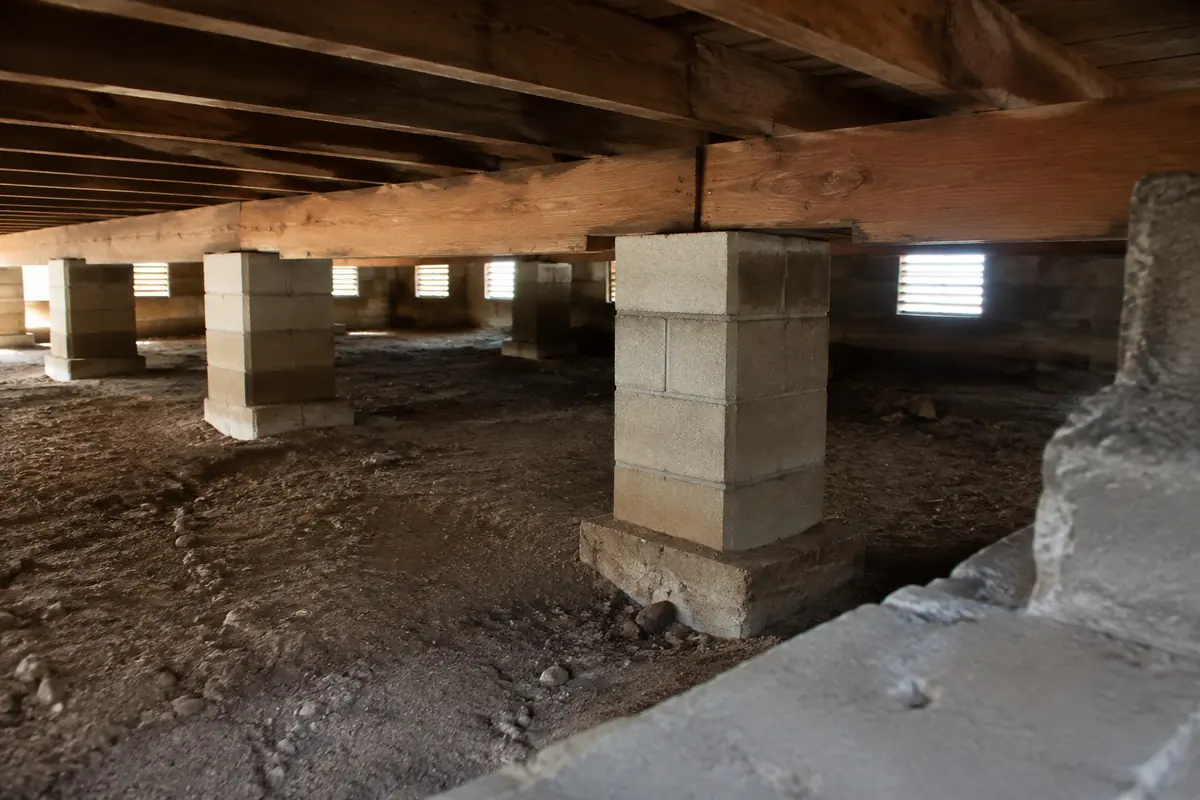
Below the floor
A damp crawlspace deserves a source investigation as well as a look at the materials below the home. Water on the ground, humid air, and a plumbing leak are not interchangeable observations. If you also notice floor changes upstairs, arrange a review that connects those concerns while keeping the moisture and structural questions clear.
Tell the professional whether you have seen standing water, a dripping pipe, damp insulation, staining, or an odor noticed inside the house. Include when it happens and how you observed it. Do not enter a difficult crawlspace simply to confirm a suspicion. Photographs from a safe accessible opening and existing service reports can help the first conversation.
The timing can narrow the questions. A condition noticed after rain may require review of runoff and entry points; a persistent wet area during dry weather may call for a different investigation. Timing alone does not identify the source, so avoid describing all crawlspace moisture as a drainage failure or all dampness as a plumbing leak.
Department of Energy guidance explains that moisture can enter a crawlspace from soil as liquid water or water vapor and may condense on floor framing. EPA guidance also discusses moisture control in crawlspaces. These sources support a broad point: a dry-looking entrance does not describe every moisture condition beneath the house.
Ask the professional what evidence identifies the source and whether more than one source may be involved. A proposed drain, vapor-control measure, plumbing repair, or change to ventilation should answer a specific problem. Do not open or close vents, install a fan, or cover the ground as a universal remedy without a plan appropriate to the building.
A qualified professional should assess the visible condition of affected wood and related components. A photograph of discoloration cannot establish the remaining capacity of a beam or identify every biological issue. Ask which materials were observed, what could not be reached, and whether additional structural, pest, or indoor-environment evaluation is needed.
If the floor above feels newly soft or unsafe, keep people and heavy items away and arrange prompt qualified help. Do not try to test a suspect area by bouncing on it or adding temporary supports underneath. The repair scope should be developed from the accessible condition and any further assessment required, not from a household experiment.
A wet crawlspace can leave two different tasks after the source is found. One is stopping or managing the incoming moisture; the other is determining what should happen to the affected materials. Completion of the first does not automatically establish the condition of the second. For example, a plumber's repair record can confirm work on a line while a separate component assessment addresses wood beneath the floor. Keep those findings together so a dry appearance at a later visit is not mistaken for a complete repair history.
If work is recommended, identify who addresses the moisture source and who repairs affected components. Ask about the sequence, access, cleanup, and any verification needed before materials are covered again. Keep photographs and reports from each trade together so the next professional can understand what was found and what was changed.
Pro-Tech can discuss pier and beam foundation concerns and the accessible conditions associated with them. Call 972-288-3797 or send the property details for a scheduling call. Initial in-person foundation measurements are available at no cost; confirm separately any additional testing, remediation, or professional service that your property may require.
Straightforward answers
Do not assume so. The right approach depends on the building, climate conditions, and moisture source. Ask a qualified professional to explain the proposed control strategy.
Appearance alone does not establish the required repair. The material's condition, function, and source of moisture should be evaluated before a scope is chosen.
Tell us what you have noticed. We will help you take the next step.
Keep exploring
Relevant services and practical guidance for the questions that come next.
Evaluate raised-floor concerns with attention to supports, access, moisture and the full repair scope.
Explore this serviceProvide access information without entering or opening unsafe areas yourself.
Read the guideA plumber's findings and a foundation review answer different parts of the property question.
Read the guideLet's take a closer look
Tell us a little about your property. Our team will contact you to arrange your no-cost initial inspection.
(972) 288-3797Monday to Friday, 8:30 AM to 5:30 PM