A practical plan for your home
Residential Foundation Repair
Understand the repair recommendation and plan around rooms, occupants, prior work and restoration.
Explore this service
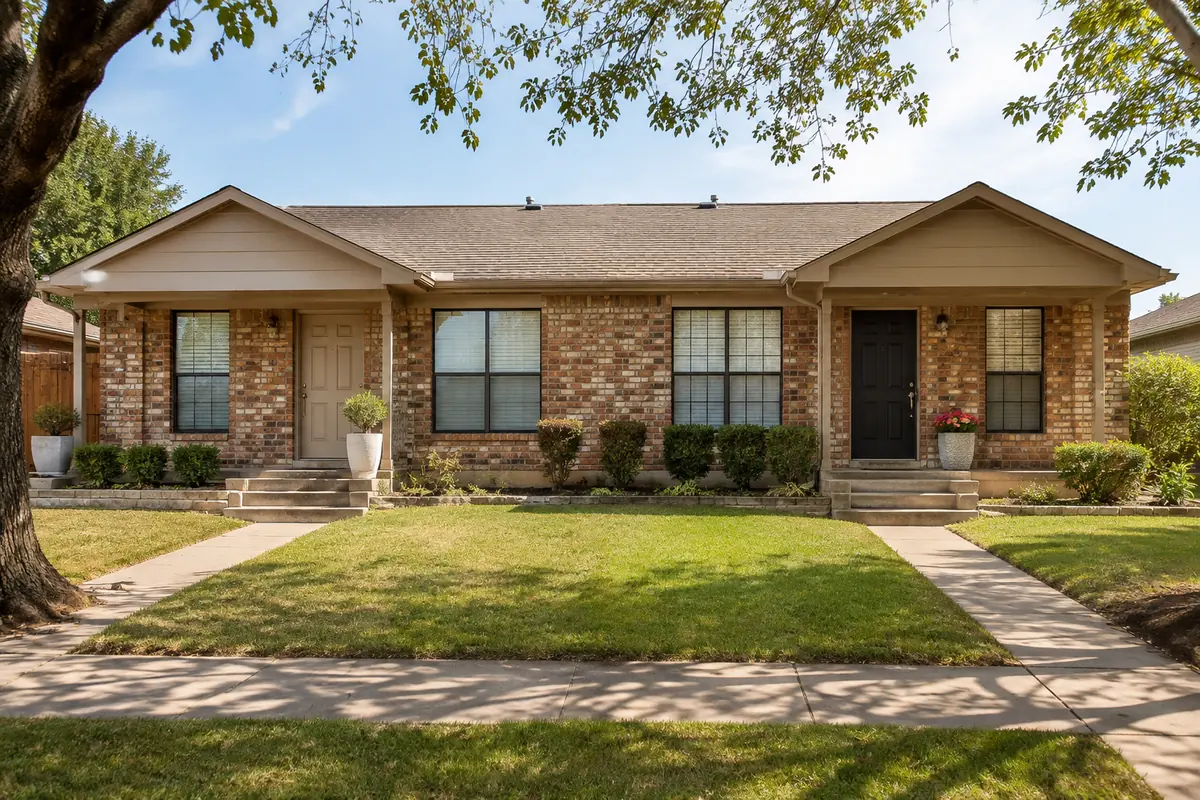
Rental property coordination
At a rental property, the person who notices a problem may not be the person who can authorize an inspection or repair. Start with clear observations and use the property's designated communication process. The practical goal is to connect the tenant's experience with an authorized review and a complete record, while leaving legal and tenancy questions to qualified local advisers.
A useful report identifies the room, visible condition, date noticed, and effect on normal use. For example, 'the rear bedroom door now catches at the top' is more informative than 'the foundation is failing.' Include photographs showing both the detail and the surrounding area when they can be taken safely.
Ask whether the condition is new, changing, or longstanding, and preserve the original report. Do not rewrite an occupant's observation as a confirmed diagnosis. If an area appears unstable or an exit cannot be used safely, arrange appropriate prompt help through the responsible contacts instead of treating it only as a routine scheduling issue.
The owner or manager should gather prior foundation reports, repair plans, invoices, plumbing records, and drainage history. Include renovations between tenancies and any recent door, floor, or drywall work. Those changes may explain why a condition looks different from an earlier inspection photograph.
Keep each unit or building clearly identified when managing multiple properties. A repair drawing for a similar address is not a substitute for the correct record. Use complete documents with dates and scope notes so the inspecting professional can understand what was actually evaluated or repaired at this property.
Identify who arranges access, who will meet the inspector, and who is authorized to approve work. Confirm scheduling and notice arrangements through the responsible property professionals and applicable agreements. This article does not state entry rights, notice periods, habitability duties, or other legal requirements; those questions need qualified local guidance.
Tell the inspection team about pets, locked areas, tenant availability, and any crawlspace access. Someone familiar with the symptom can help show the location, while the decision-maker should be reachable for scope questions. Avoid placing an occupant in the position of approving a repair simply because they are the only person present.
An ordinary maintenance ticket can provide a useful starting record if it retains the location and original description. Link the inspection result to that ticket rather than opening an unrelated file with no connection to the occupant's report. When work is completed, add the final scope and practical follow-up information. This helps a manager distinguish a later report at the same location from a different concern, while avoiding the assumption that every future maintenance request is already explained by the earlier project.
After the review, retain the findings, limitations, proposal, and any recommended follow-up. Assign each next action to a named responsible contact, including separate plumbing or engineering work when needed. Communicate the practical schedule and access plan through the established property process so occupants know what arrangements affect their routine.
Pro-Tech provides residential foundation repair and no-cost initial in-person foundation measurements. Call 972-288-3797 or submit the property details for a scheduling call. Include the owner or manager's contact information and the authorized access arrangement. A clear handoff helps the appointment address the actual concern without confusing observation, permission, and approval.
Straightforward answers
A tenant can describe what they observe, but inspection access and work authorization should be coordinated through the responsible property contacts and applicable procedures.
No. It covers documentation and coordination. Ask a qualified local professional about legal duties, notice, access, or disputes for the particular tenancy.
Tell us what you have noticed. We will help you take the next step.
Keep exploring
Relevant services and practical guidance for the questions that come next.
Understand the repair recommendation and plan around rooms, occupants, prior work and restoration.
Explore this serviceGood access and a short property history help the appointment focus on your actual concern.
Read the guideWhether staying home is practical depends on the work areas and your household's needs.
Read the guideLet's take a closer look
Tell us a little about your property. Our team will contact you to arrange your no-cost initial inspection.
(972) 288-3797Monday to Friday, 8:30 AM to 5:30 PM