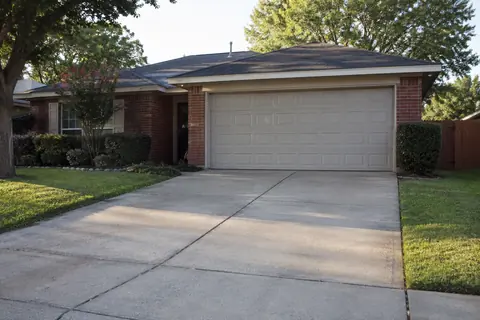
A driveway planned for everyday use
Concrete Driveways in North Texas
Plan the layout, transitions, drainage, removal and return to vehicle use before driveway work begins.
Explore this service
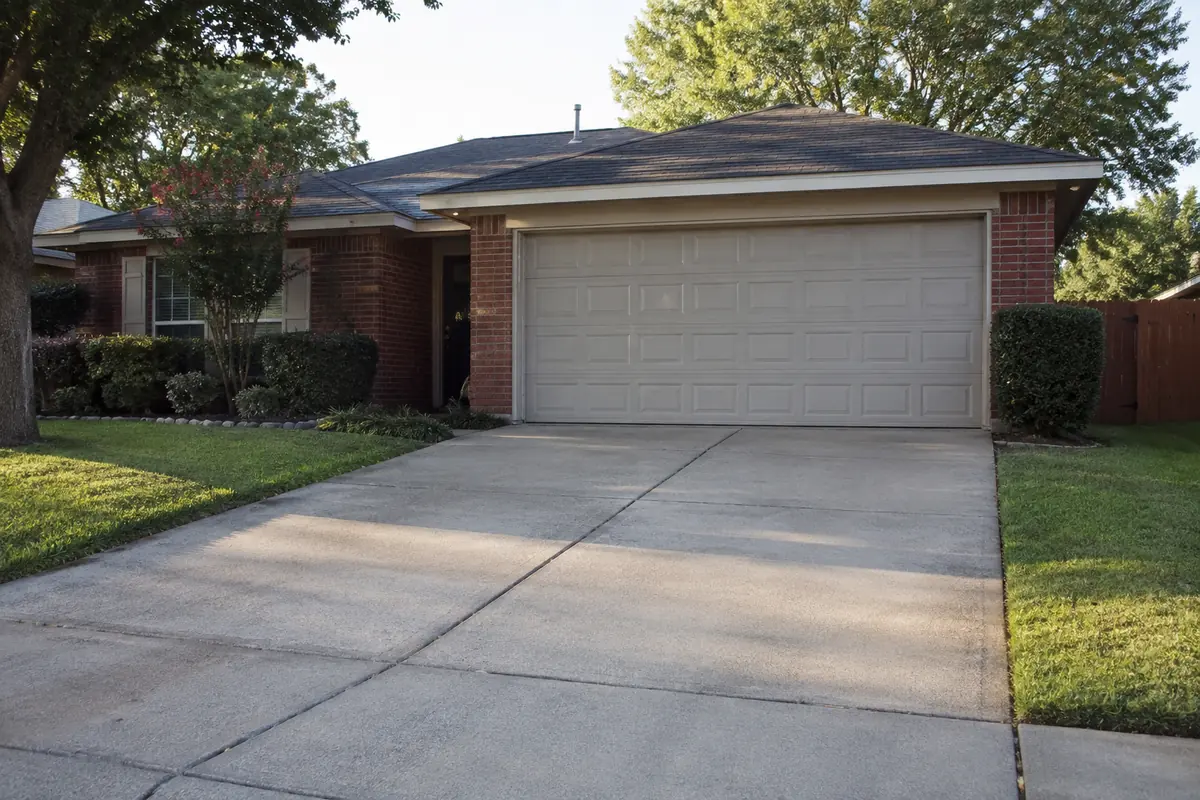
Concrete project planning
A new concrete driveway should be planned around daily use, drainage, connections, and the conditions below the surface. Before choosing the appearance, explain the vehicles and access the driveway must accommodate. A clear written scope should connect those needs with removal, preparation, layout, joints, finish, and care after placement.
Tell the contractor about everyday vehicles, occasional deliveries, turning space, parking, and access to the garage or side yard. Mention any planned change in use. The intended loads and layout belong in the design conversation; an online thickness rule cannot account for every vehicle or site condition.
Walk the existing driveway together and identify what you want improved. That may be a narrow turn, a difficult garage transition, a low area holding water, or a deteriorated section. Distinguish necessary performance changes from appearance preferences so the proposal can explain how each requested improvement will be addressed.
Discuss how the driveway will meet the garage, sidewalk, street-side area, and any concrete that remains. Ask how drainage will work at those connections and where runoff will travel. A new surface should be considered within the site's overall water path, especially near the house and neighboring areas.
Ask who verifies applicable local requirements, permits, and any work involving a public right-of-way or shared access. Do not assume that extending the driveway or changing its entrance is only a private paving decision. The responsible professionals should identify required coordination before the final layout and schedule are committed.
The written scope should explain removal boundaries, preparation, concrete specifications appropriate to the intended use, joints, finish, and restoration. NRMCA's concrete guidance describes joints as planned features used to manage movement and cracking. Ask where the proposed joints will be located and how the layout fits the driveway's shape and adjoining surfaces.
Discuss appearance with realistic references and confirm the actual finish offered for the project. Existing concrete that remains may differ in color or texture from new work. Ask how the contractor will handle transitions and what expectations should be recorded. A clear finish agreement is more useful than assuming all new and old surfaces will look identical.
Prepare a small use diagram before the site visit. Mark the normal parked positions, turning route, pedestrian path, and any place a delivery vehicle must reach. This can reveal that the desired improvement is circulation rather than simply more concrete. A driveway that is wider in the wrong place may not solve the maneuver you find difficult. The contractor can review the diagram with the site constraints and explain which layout changes belong in the proposed project.
Identify where vehicles will park while the driveway is unavailable and how residents, deliveries, and visitors will reach the house. Ask how the team communicates weather-related changes and what must be completed before placement. Keep pets and foot traffic out of the work area under the agreed access plan.
Request written curing and return-to-use instructions for the actual mixture, conditions, and intended loads. Do not assume that a surface that looks dry is ready for vehicles. Pro-Tech provides concrete driveway services; call 972-288-3797 or submit the property information for a scheduling call. Explain the layout concerns and expected use so the site review can produce a clear project scope.
Straightforward answers
Use a checklist to prepare questions, but have the contractor or appropriate designer account for your site, intended use, and applicable requirements.
Obtain the project-specific instruction before placement and follow the contractor's release for the intended vehicle load. Appearance alone does not establish readiness.
Tell us what you have noticed. We will help you take the next step.
Keep exploring
Relevant services and practical guidance for the questions that come next.
Plan the layout, transitions, drainage, removal and return to vehicle use before driveway work begins.
Explore this serviceFollow the care plan for the actual project, including different types of use.
Read the guideThe condition of the concrete and the purpose of the work should guide the choice.
Read the guideLet's take a closer look
Tell us a little about your property. Our team will contact you to arrange your no-cost initial inspection.
(972) 288-3797Monday to Friday, 8:30 AM to 5:30 PM