A practical plan for your home
Residential Foundation Repair
Understand the repair recommendation and plan around rooms, occupants, prior work and restoration.
Explore this service
Investigating a changing exterior gap
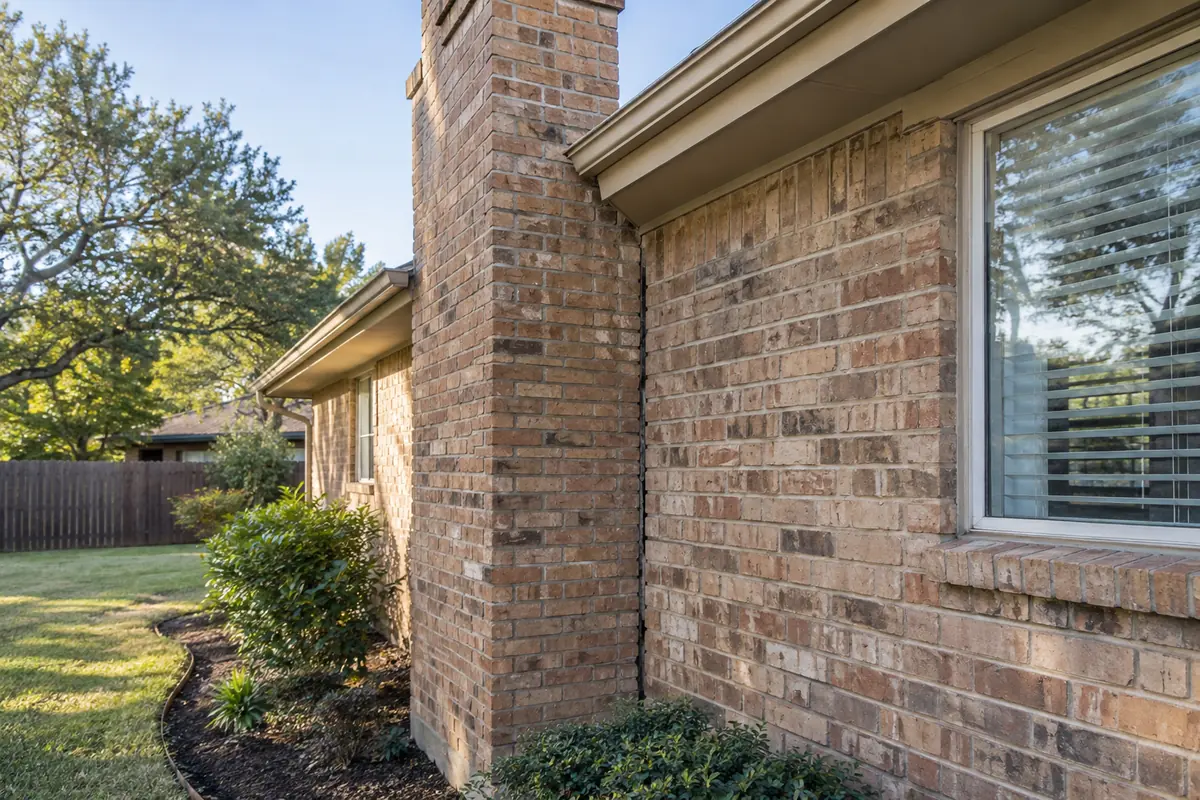
Schedule an evaluation when a chimney appears to be pulling away from the house, especially if the gap is new, widening or accompanied by visible leaning or masonry damage. A foundation inspection can help assess the support question, but a chimney professional may also need to evaluate the fireplace and venting system. Sealing the gap before understanding the condition can hide evidence without addressing why it opened.
From a safe ground-level position, note where the separation appears. Is it beside the exterior wall, near the roof connection or at the fireplace surround indoors? Does it look similar from top to bottom, or does the visible opening change along its height? Record the location rather than assigning a cause. A photograph can document a gap, but it cannot establish the condition of the support or concealed connections.
Also distinguish the chimney from the materials around it. A joint in exterior trim, a change in flashing and a separation through masonry raise different questions. You do not need to sort them out yourself. Wide photographs showing the chimney and adjacent house, followed by closer views taken without climbing, help the evaluating professionals understand what prompted the call.
If you see loose or falling masonry, pronounced leaning or a condition that appears unstable, keep people away from the affected area and seek prompt professional assessment. Do not stand beneath it to take a better photograph or try to brace it yourself. The immediate question is safe access and evaluation, rather than arranging a routine cosmetic patch.
Where movement or damage may involve the chimney system, leave the fireplace unused until an appropriate chimney professional has evaluated it. A foundation assessment and a chimney-use assessment serve different purposes. Even if the support repair is straightforward, the condition of the flue and connected fireplace still needs to be addressed by the professional responsible for that system.
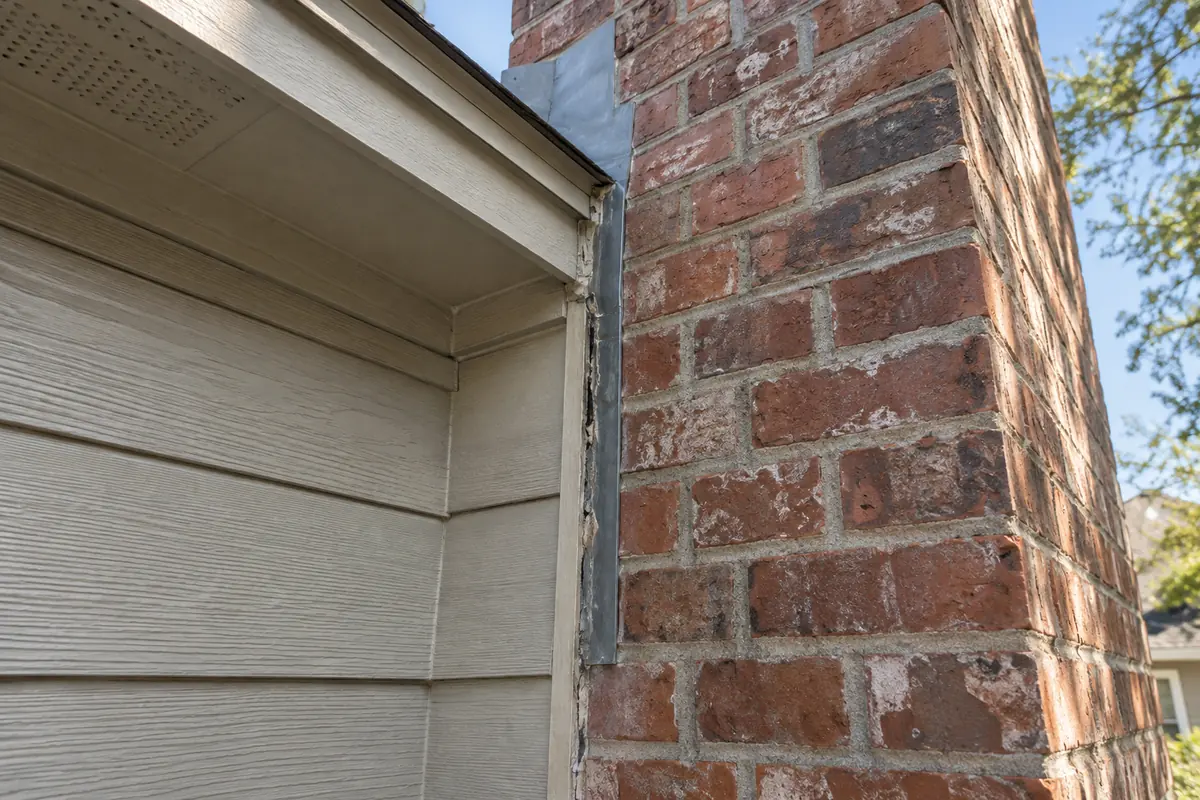
The support assessment should consider how the chimney is supported, how that support relates to the home and whether there are relevant changes in nearby rooms or exterior walls. Ask what can be observed and what remains concealed. A visible gap should not become an automatic assumption that the entire house needs foundation repair or that the chimney alone has moved.
Tell the inspector about nearby floor changes, doors that have started rubbing and new brick or drywall cracks. Share previous foundation repair drawings and any earlier chimney findings. Pro-Tech reviews visible conditions and foundation elevations as part of its initial assessment. If the structural relationship or the chimney's stability remains uncertain, independent engineering evaluation may be needed to define the repair.
A chimney does more than form part of the exterior. Its masonry, liner, connections and relationship to the fireplace all matter to its intended use. The Chimney Safety Institute of America's inspection guidance addresses accessible chimney conditions and examination of the liner, including cracks or gaps. Those are questions that a foundation elevation survey alone does not answer.
Arrange the two evaluations so findings can be shared. Ask the chimney professional what needs to be checked before use and ask the foundation or structural professional what support work, if any, is indicated. Neither should have to guess what the other inspected. Keep photographs and written findings together so the repair scope accounts for both the structure and the chimney system.
Repointing mortar or sealing a joint may be part of a finished repair, but those tasks need to fit the diagnosis and sequence. If support work is required, the contractor should explain its relationship to masonry repairs and the roof or wall connection. If it is not required, ask what other condition explains the separation and who will address it.
For suspected water entry, discuss suitable temporary protection with the relevant professional while the investigation proceeds. Do not let a quick seal become the only response to a changing gap. Establish who is responsible for each stage, what is included in the price and which inspection or sign-off is needed before finishes are restored or the fireplace returns to use.
When you contact a contractor, say that the concern is chimney separation and describe whether you have seen leaning, loose material or a recent change. Include when you first noticed it and whether another professional has already inspected it. That information helps the team understand the nature and priority of the request before arranging a visit.
For the foundation part of the concern, request Pro-Tech's no-cost initial in-person inspection. Provide the full property address so our staff can confirm service availability and arrange the appointment. The visit can help establish the foundation questions to resolve and whether the next step involves a support proposal, independent engineering or coordination with a chimney professional.
Straightforward answers
No. Foundation work addresses its defined structural scope. An appropriate chimney professional needs to evaluate the chimney and fireplace system and advise on use when movement or damage has raised concerns.
Not automatically. The support, connections, masonry and surrounding construction need evaluation. A pier recommendation should follow findings that explain what needs support and how the proposed work addresses it.
Tell us what you have noticed. We will help you take the next step.
Keep exploring
Relevant services and practical guidance for the questions that come next.
Understand the repair recommendation and plan around rooms, occupants, prior work and restoration.
Explore this serviceAn effective visit connects your concerns with observations, measurements, and a clear next step.
Read the guideMatch the professional and the document to the question you need answered.
Read the guideAgree on the sequence with the foundation and finish contractors before booking paint and patch work.
Read the guideLet's take a closer look
Tell us a little about your property. Our team will contact you to arrange your no-cost initial inspection.
(972) 288-3797Monday to Friday, 8:30 AM to 5:30 PM